
Dregea sinensis
Dregea sinensis
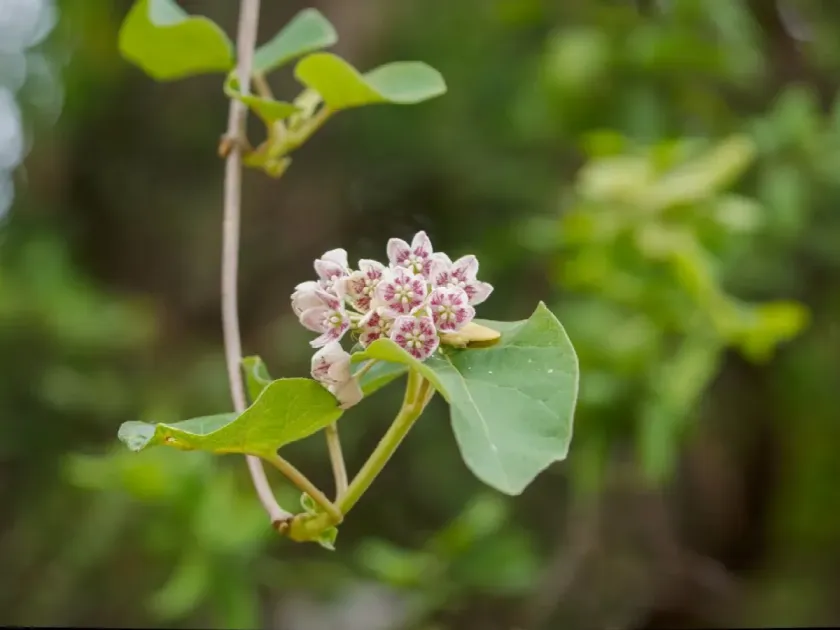
Description
Sowing dates
Sowing Dregea sinensis seeds is typically performed in the spring when temperatures consistently exceed 20 degrees Celsius. Using a light, well-draining substrate is critical to prevent damping-off, which is a common issue for many Apocynaceae species.
Seeds should be covered lightly with fine vermiculite or sand, ensuring they receive sufficient indirect light to trigger germination. Maintaining high humidity and steady warmth will lead to emergence within three to four weeks after sowing.
Vegetative propagation via cuttings is the preferred method for maintaining genetic uniformity in commercial production. Semi-hardwood cuttings should be taken in early summer and placed in a misting propagation bed for optimal root development.
Once seedlings have developed at least two sets of true leaves, they should be transplanted into individual pots. This transition encourages a robust root system before the plants are moved to their permanent outdoor location or larger containers.
Support structures must be installed early, as the plant exhibits vigorous climbing behavior. Proper spacing is necessary to allow for adequate airflow, which significantly reduces the risk of fungal infections within the canopy.
Growing requirements
As a member of the Apocynaceae family, Dregea sinensis requires bright, indirect light to achieve its full potential. While it enjoys sunlight, it should be protected from harsh, direct midday heat, which can scorch the delicate foliage.
The ideal soil should be rich, organic, and possess excellent drainage properties. A pH range of 6.0 to 7.0 is generally preferred, mimicking the well-drained, forest-edge environments where the species naturally thrives in its native range.
Temperature management is crucial; the plant is not frost-tolerant and requires protection when temperatures drop significantly. In cooler climates, moving the plants indoors or into greenhouses during winter is an essential part of the annual care cycle.
Consistent, moderate moisture is key to success. Water should be applied when the top centimeter of soil begins to feel dry to the touch, ensuring that the roots are never left sitting in stagnant water, which invites pathogens.
Nutrient requirements are modest but steady. Applying a balanced, water-soluble fertilizer every two weeks during the active growing season will support foliage health and promote the characteristic flowering that makes this species desirable.
Main diseases and pests
Spider mites are a primary pest concern for Dregea sinensis, particularly in environments with low humidity. Regular inspection of the undersides of the leaves and maintaining adequate air moisture can help prevent significant infestations.
Mealybugs can also become a nuisance, gathering in the leaf axils and stems. They weaken the plant by extracting sap and producing honeydew, which can further attract secondary fungal diseases like sooty mold if not treated promptly.
Root rot remains the most common disease associated with improper irrigation practices. Signs of overwatering include yellowing leaves and a lack of vigor, requiring immediate adjustment of watering schedules and improved drainage.
Aphids may occasionally attack the tender new growth of the climbing stems. Targeted applications of insecticidal soaps or horticultural oils are usually sufficient to control small populations without damaging the plant's sensitive tissues.
Good sanitation practices, such as removing dead foliage and preventing overcrowded conditions, are the best defense against threats. Healthy plants with strong immune systems are inherently more resilient to minor pest and disease outbreaks.