
Dracocephalum ruyschiana
Dracocephalum ruyschiana
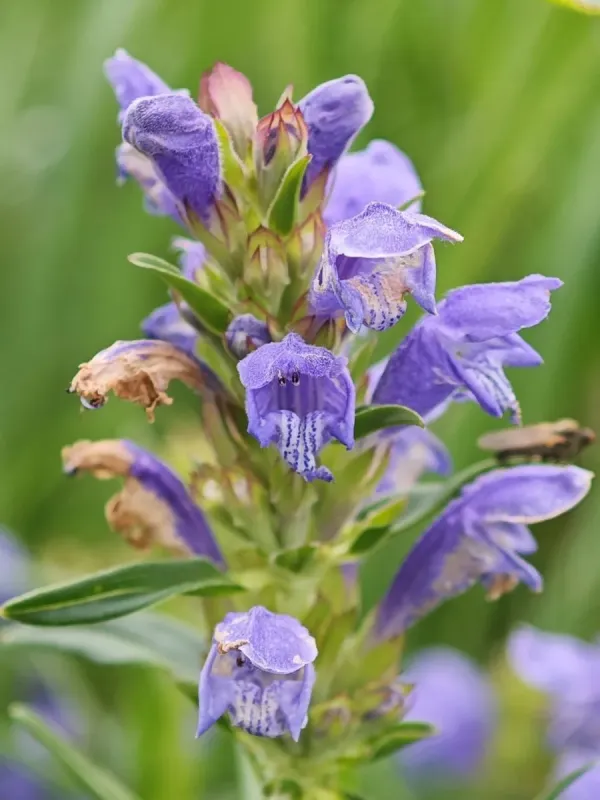
Description
Sowing dates
Dracocephalum ruyschiana is a perennial herbaceous plant that is best sown in early spring. The optimal time for planting is when the soil warms up to at least 8–10 degrees Celsius, which typically occurs in late April depending on the local climate.
Dormant (late autumn) sowing is also an effective practice, allowing the seeds to undergo natural stratification in the soil. In this case, seeds should be sown just before the ground freezes to prevent premature germination during winter thaws.
When cultivating on a larger scale, it is crucial to maintain a seeding rate of approximately 4–6 kilograms per hectare. Seeds should be planted at a shallow depth of 1–2 centimeters, as they require sufficient contact with damp soil to germinate efficiently.
Seedlings usually emerge within 2–3 weeks after sowing, provided that the soil moisture levels are consistent. During the first year, the plant focuses its energy on developing a strong root system and a basal rosette of leaves.
To ensure uniform growth, it is recommended to clean the seeds of impurities and treat them with plant growth stimulants before sowing. This helps improve the establishment rate of the young plants in the field.
Growing requirements
Dracocephalum ruyschiana is a sun-loving species, meaning it requires open areas with full exposure to sunlight for successful development. Shaded areas lead to stunted growth and a significant reduction in the concentration of essential oils in the foliage.
The plant is highly frost-hardy and well-adapted to the harsh conditions of temperate and continental climates. It can withstand significant temperature fluctuations during the spring, making it a robust choice for various regions.
The soil requirements are moderate; the plant prefers light, well-drained loamy or sandy soils with a neutral to slightly alkaline pH. It is essential to avoid low-lying areas where water may stagnate, as excessive moisture is detrimental to the root system.
The crop responds well to organic and mineral fertilization, particularly during its active growth phase. Nitrogen supplements encourage biomass production, while phosphorus and potassium help improve the quality of blooms and overall plant health.
Weed control is a critical part of the agricultural cycle for this crop. During the first year of growth, the young plants are vulnerable to competition from aggressive weeds, necessitating frequent cultivation or manual weeding to ensure success.
Yield
Dracocephalum ruyschiana is highly valued as a honey-producing plant, known for its significant nectar yield. Under favorable weather conditions, it can produce between 150 and 300 kilograms of honey per hectare, attracting many pollinators to the field.
The biomass yield for medicinal purposes depends heavily on soil fertility and management practices. On average, producers can expect to harvest 15–25 centners of dry raw material per hectare during the peak flowering stage.
Maximum productivity is usually reached in the second and third years after planting when the plants are fully mature. In subsequent years, the yield may decline, making it advisable to rotate or renew the plantation periodically.
Harvesting is conducted during the mass flowering phase, as this is when the concentration of beneficial compounds like flavonoids, essential oils, and tannins is at its peak. Timing this harvest correctly is essential for medicinal quality.
Mechanical harvesting is common in industrial cultivation, using specialized mowers to cut the upper portions of the plants. Leaving the base intact allows the plant to potentially recover and return for subsequent growing seasons.
Main diseases and pests
Dracocephalum ruyschiana is naturally resistant to most common diseases, but poor crop rotation or waterlogged soil can lead to fungal infections such as root rot. Proper moisture management is the most effective preventative measure.
Pests rarely cause major economic damage to these plantations. However, during periods of prolonged drought, aphids may occasionally attack young shoots. Biological control methods are preferred to maintain the quality of the harvested medicinal material.
The primary threat to new plantings is competition from persistent perennial weeds. If not managed early, weeds can quickly overwhelm the young dragonhead plants, leading to poor crop establishment and significant yield losses in the first year.
Disease prevention also includes ensuring adequate plant spacing. Overcrowded fields inhibit airflow, creating a microclimate with high humidity that can encourage the development of powdery mildew on the foliage during hot summer months.
Regular field scouting is recommended to monitor for early signs of issues. By implementing sound agronomic practices and avoiding chemical pesticides, growers can produce high-quality, organic-compliant crops of Dracocephalum ruyschiana.