
Ferula tingitana
Ferula tingitana L.
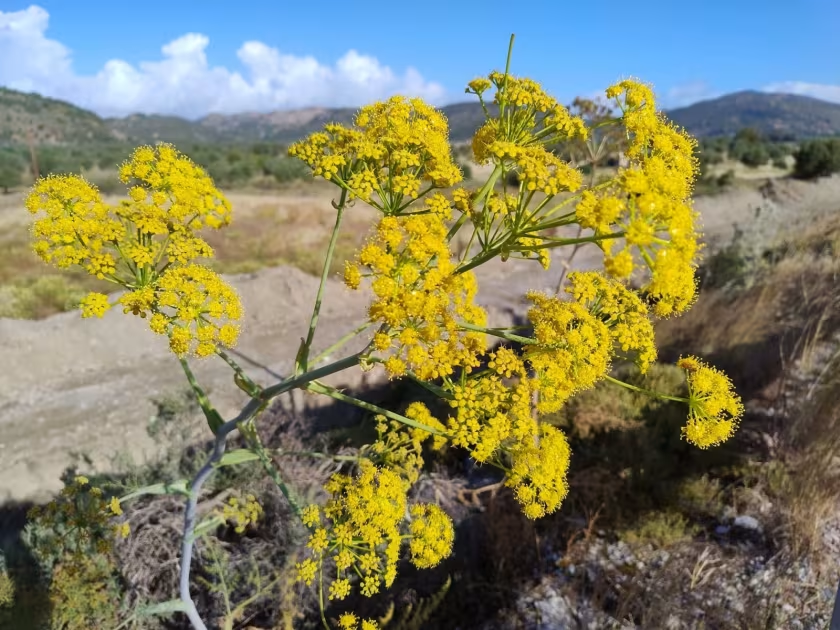
Description
Sowing dates
Sowing of Ferula tingitana is typically carried out in the autumn, allowing seeds to undergo natural stratification within the soil. The optimal timeframe is October or November, when soil temperatures begin to decline gradually.
The sowing depth should not exceed 1–2 centimeters, as the seeds have moderate germination energy. Row sowing is practiced with spacing of up to 60 centimeters to ensure adequate nutrition area for each plant.
Seedlings emerge in the spring once sustained positive temperatures arrive. It is recommended to use freshly harvested seeds, as their viability decreases significantly over time.
In large-scale production, it is essential to prepare a loose soil structure in the top layer to allow sprouts to reach the surface easily.
Mulching the sown area is permitted to retain soil moisture and protect young plants from potential early spring frost events.
Growing requirements
Ferula tingitana is a member of the Apiaceae family, native to the Mediterranean region and North Africa. The plant is adapted to arid climatic zones with mild winters.
The crop prefers well-drained, sandy, or light loamy soils. Stagnant moisture in the root system is a critical factor that leads to rapid plant death.
The plant is a light-loving mesophyte, requiring open, sunny locations protected from strong winds for successful vegetation.
The optimal soil pH level for the development of the species ranges from neutral to slightly alkaline, which corresponds to the typical carbonate soils of its natural range.
During the active growth phase, Ferula requires moderate watering; however, in the rosette stage, it demonstrates high resistance to short drought periods.
Yield
The economic use of Ferula tingitana is focused on obtaining aromatic resin, known as gum-resin. Plant productivity directly depends on the age of the plantation and the quality of maintenance provided.
Harvesting the medicinal raw material is possible only from plants that have reached the flowering stage. The output of marketable mass varies depending on the climatic conditions of the specific growing season.
Leaves and petioles of the plant can also be used in traditional medicine, which expands the commercial possibilities for farmers.
To increase yields, the application of mineral fertilizers rich in phosphorus and potassium is recommended to stimulate root development and essential oil production.
Considering the perennial life cycle of the plant, the economic efficiency of the plantation is determined by the crop's ability to regenerate biomass annually.
Main diseases and pests
Ferula tingitana is susceptible to fungal diseases such as powdery mildew and various types of root rot, which occur under conditions of soil waterlogging.
Among pests, insects that damage stems and inflorescences, particularly specific types of aphids and weevils, pose the greatest threat.
To prevent the spread of diseases, it is necessary to follow crop rotation practices and avoid overcrowding of plantings, thereby ensuring good aeration of the plants.
Upon detection of pest infestations, it is advisable to use biopesticides to minimize the chemical load on the valuable medicinal raw material.
- Preventive application of fungicides during early developmental stages.
- Removal of weeds that can serve as intermediate hosts for pathogens.
Harvesting
Harvesting of the above-ground parts is carried out during the phase of full seed maturity, when yellowing of leaves and drying of flowering shoots are observed.
Resin collection is performed by making incisions in the stems and roots, which requires skill and caution to avoid critical damage to the plant.
After collection, the raw material is carefully dried in ventilated areas protected from direct ultraviolet light to preserve its aromatic properties.
Collected seeds require ripening and cleaning from impurities before being stored for the long term in airtight containers.
It is important to maintain strict temperature control during drying to prevent the evaporation of volatile essential oil components, which would reduce the quality of the final product.