
Doryphora sassafras
Doryphora sassafras
Description
Growing requirements
Doryphora sassafras is a distinct evergreen tree species belonging to the Monimiaceae family, native to the rainforest regions of eastern Australia. It is highly valued for its aromatic foliage and unique wood characteristics.
The plant thrives in deep, fertile, and well-drained soils rich in organic matter. In its native habitat, it prefers the sheltered conditions of gullies and slopes, where humidity levels remain consistently high throughout the growing season.
Climate requirements include a temperate to subtropical environment with mild temperature fluctuations. Young Doryphora sassafras trees require shade to protect them from direct sunlight, while mature specimens adapt better to various light conditions within the forest canopy.
Cultivation practices involve regular irrigation to maintain soil moisture, particularly during dry spells. Soil acidity management is also crucial, as the tree performs best in slightly acidic substrates typical of rainforest environments.
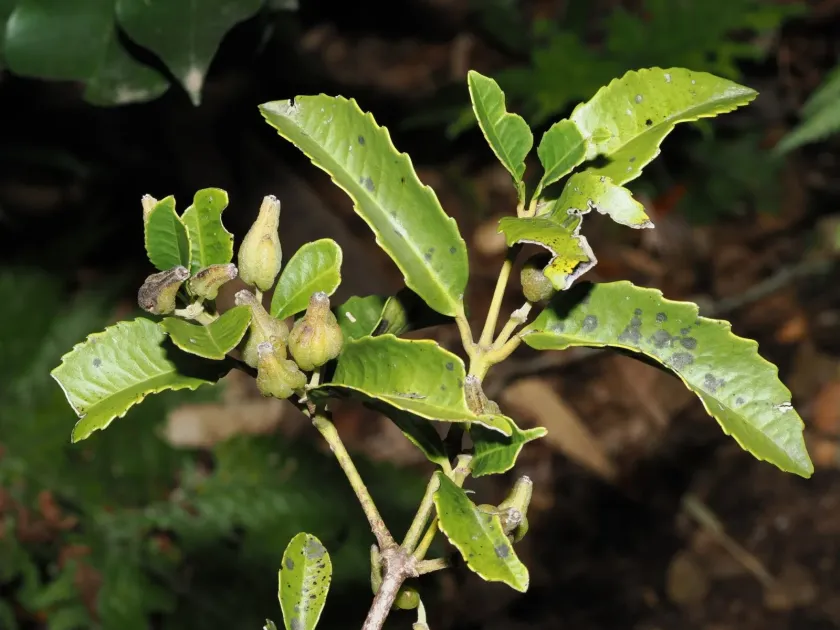
Botanically, the species is identified by its glossy, opposite leaves and white flowers. The distinct fragrance of the plant, caused by its volatile oil content, is its most recognizable feature, making it a subject of interest for essential oil research.
Main diseases and pests
Common pests include leaf-eating beetles and scale insects that can weaken younger trees. Proper orchard management, including regular inspection and biological control methods, is essential to keep pest populations at manageable levels.
Fungal diseases related to root rot are a significant risk in areas with poor drainage or waterlogged soils. Mitigation strategies involve soil amendment and careful water management to promote healthy root system development.
Harvesting
The main economic use of Doryphora sassafras involves the extraction of essential oils from its leaves and bark. These oils are utilized in the perfume industry and in specialty medical applications due to their therapeutic properties.
Harvesting strategies focus on sustainable pruning of branches to ensure the tree's long-term health and productivity. The timing of the harvest is critical, as leaf oil concentration fluctuates depending on the age of the foliage and environmental factors.
The wood of this tree is light, aromatic, and easy to work with, making it a preferred material for high-end cabinetry and woodcraft. Its limited supply and regulated status in parts of Australia make it a premium forest product.
Processing involves modern distillation techniques to isolate high-purity compounds. Ensuring the sustainability of wild populations remains a priority, leading to increased interest in plantation-based cultivation methods for industrial output.
Future development aims at improving yield through careful selection of genotypes with higher oil content, ensuring that production remains environmentally responsible while meeting global market demands.