
Donella viridifolia
Donella viridifolia
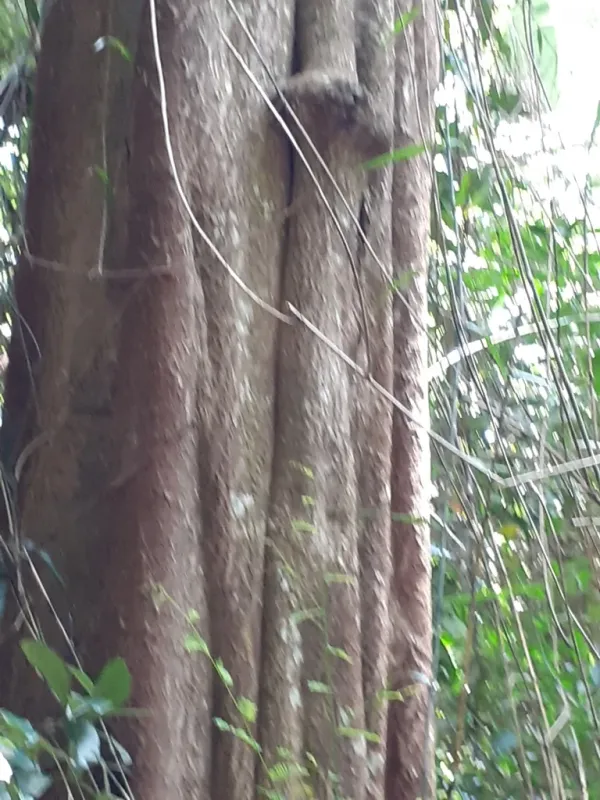
Description
Sowing dates
Donella viridifolia is a woody species primarily propagated from seeds in nursery settings to ensure robust initial growth before field transplantation.
Seeds must be extracted from fully ripe fruits and sown immediately, as they are recalcitrant and lose viability quickly if stored improperly.
Seedlings are typically transferred to permanent locations at the beginning of the rainy season to allow sufficient time for root establishment.
Spacing between trees is essential to accommodate the natural spread of the crown, which requires ample airflow and sunlight for healthy development.
Early maintenance involves protecting young specimens from intense heat and wind, ensuring consistent moisture levels in the immediate root zone.
Growing requirements
Belonging to the Sapotaceae family, this species requires specific tropical conditions to thrive and reach its full physiological potential.
Ideal thermal conditions are consistently warm, with temperatures ranging between 24 and 30 degrees Celsius throughout the annual growth cycle.
The plant performs best in deep, well-draining, and fertile soils rich in organic matter, avoiding areas prone to waterlogging or high clay content.
While the tree is relatively hardy once established, it requires a steady supply of moisture to maintain metabolic activity during the fruit-bearing phase.
Exposure to full sun is necessary for photosynthesis, though young trees benefit from dappled light to prevent dehydration of tender foliage.
Yield
Yield capacity is influenced by the tree's age, genotype, and the nutritional status of the soil provided throughout the growing season.
The fruits represent the primary harvest, possessing distinct sensory properties valued for their unique texture and nutritional content.
Strategic pruning is a key agricultural practice that promotes the development of fruit-bearing branches and improves overall production efficiency.
Consistent production requires a balanced application of macro and micronutrients to support the tree during the flowering and fruit-setting stages.
Monitoring the maturation cycle helps in identifying the peak harvest window, ensuring that the collected fruits possess the desired organoleptic qualities.
Main diseases and pests
Pest pressures primarily include sap-sucking insects like mealybugs and scale, which can significantly weaken the plant if left uncontrolled.
Fungal infections thrive in stagnant, humid environments, necessitating careful crown management to promote good air circulation within the tree canopy.
Regular sanitation measures, including the removal of dead or diseased wood, are fundamental for preventing the spread of common orchard pathogens.
Soil-borne health issues can be mitigated by ensuring proper drainage and avoiding excess irrigation that facilitates the development of root rot.
Integrated pest management strategies are recommended to maintain ecological balance and prevent the negative impact of harsh chemical interventions on fruit quality.
Harvesting
Harvesting is conducted manually, requiring careful handling to prevent mechanical damage to the delicate outer skin of the mature fruits.
Fruits are gathered at the stage of physiological maturity, characterized by a specific color shift and softening of the fruit tissues.
Post-harvest handling involves gentle cleaning and sorting, as damaged fruit can quickly introduce spoilage to the rest of the batch.
Cooling the fruit immediately after harvest helps slow down the metabolic processes, significantly extending the potential shelf life for commercial distribution.
Transport logistics should focus on minimizing physical impact to ensure that the final product reaches the consumer in optimal condition.