
Donella lanceolata
Donella lanceolata
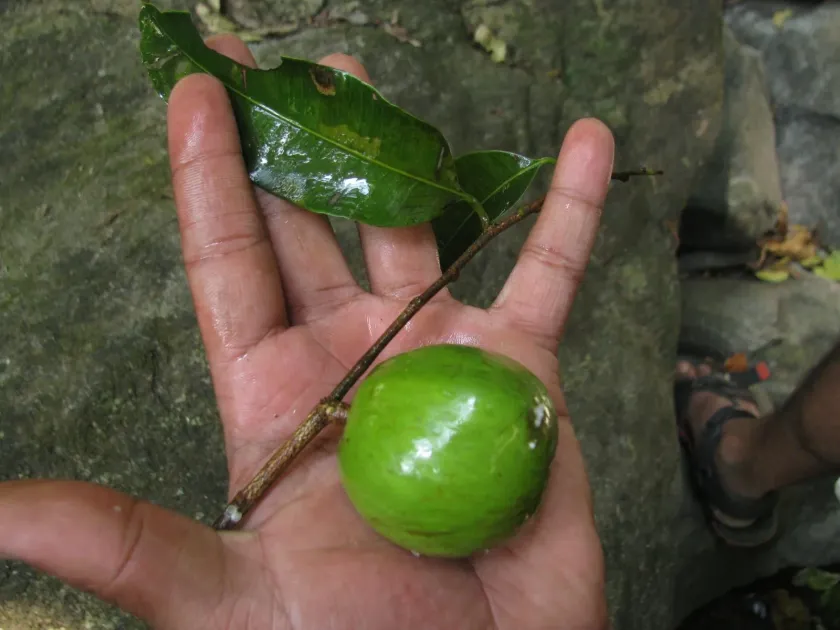
Description
Growing requirements
Donella lanceolata is a species of tree in the Sapotaceae family, native to the tropical regions of Africa. It is recognized for its unique botanical features and its importance in tropical forestry and local ecosystems.
The plant thrives in tropical climates characterized by high rainfall and warm temperatures throughout the year. It requires protection from direct exposure to extreme temperature drops and high-velocity winds that could cause physical damage.
Optimal growth is achieved in deep, well-drained soils rich in organic matter. Proper soil structure is essential for the root development of this tree, as it is particularly sensitive to waterlogging which can lead to root rot.
Botanically, it is identified by its characteristic lanceolate leaves and robust trunk growth. The tree structure allows it to compete effectively in forest canopies, provided it has enough space and access to sunlight during its maturation stages.
Economically, the species is primarily valued for its durable and high-density timber. It is harvested for specialized woodworking and construction projects where long-lasting material is required by the local industry.
Main diseases and pests
Common threats to Donella lanceolata include various wood-boring insects that target the cambium layer, potentially weakening the tree structure and reducing timber quality.
Fungal pathogens represent another significant risk, particularly in high-humidity zones where spores can spread rapidly among the canopy of dense plantations.
Implementing regular field inspections allows agronomists to identify signs of pest infestation or fungal growth early, which is vital for maintaining plantation health.
Proper spacing between trees is a recommended agricultural practice to ensure sufficient airflow, which significantly reduces the humidity levels that favor fungal development.
Management strategies often involve selective harvesting and pruning to prevent the accumulation of dead plant material that could serve as a breeding ground for pests.