
Lablab bean
Lablab purpureus (L.) Sweet
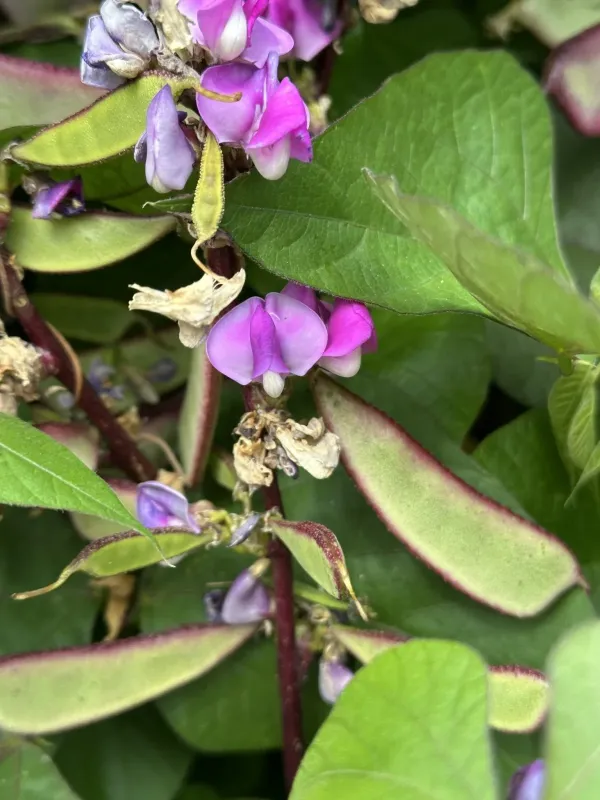
Description
Sowing dates
Lablab purpureus is a warm-season crop that requires soil temperatures to be consistently above 18 degrees Celsius for optimal germination. Sowing usually takes place when the risk of late spring frost has completely passed, ensuring a stable thermal environment for the seedlings.
The seeds should be planted at a depth of 3 to 6 centimeters, depending on the soil texture and moisture levels. Proper spacing is essential, as the plant exhibits vigorous vegetative growth, and overcrowding can lead to poor air circulation and increased disease pressure.
Growing requirements
As a member of the Fabaceae family, this crop is known for its ability to fix atmospheric nitrogen through symbiosis with Rhizobium bacteria. It thrives in various climates but is most productive in tropical and subtropical regions where sunlight is abundant and temperatures are high.
The plant requires well-drained soils with a pH ranging from 5.5 to 7.5 for maximum nutrient availability. It performs best in fertile loam soils, although it shows remarkable tolerance to a wide range of soil types, provided that waterlogging is avoided during the germination phase.
Water management is a key aspect of agrotechnology, as Lablab is sensitive to drought during the pod-filling stage. Providing vertical supports is highly recommended for vining varieties, as it optimizes light interception and facilitates the management of the crop canopy throughout the season.
Main diseases and pests
The crop is susceptible to several fungal diseases, including Anthracnose and various leaf spots, especially in humid conditions. Implementing strict crop rotation practices and ensuring field sanitation are the primary measures for preventing the buildup of soil-borne pathogens.
Pest pressures primarily include pod borers and aphids, which can significantly reduce yield quality if left unchecked. Integrated Pest Management (IPM) strategies, including the use of pheromone traps and biological control agents, are effective in maintaining pest populations below economic thresholds.
Harvesting
For forage production, the crop should be harvested during the early flowering stage to achieve the best balance between dry matter yield and protein content. Cutting the plants at this stage allows for regrowth if the environmental conditions remain favorable for the specific variety.
Seed harvesting is conducted when the pods have turned brown and reached their full maturity. It is crucial to monitor the field closely to prevent shattering losses, as mature pods are prone to opening and dispersing seeds if harvest is delayed beyond the optimal window.