
Cat's claw creeper
Dolichandra unguis-cati
Description
Growing requirements
Cat's claw creeper, scientifically known as Dolichandra unguis-cati, is a vigorous perennial woody vine belonging to the Bignoniaceae family. Native to tropical regions of Central and South America, it has spread globally due to its remarkable ability to colonize various habitats.
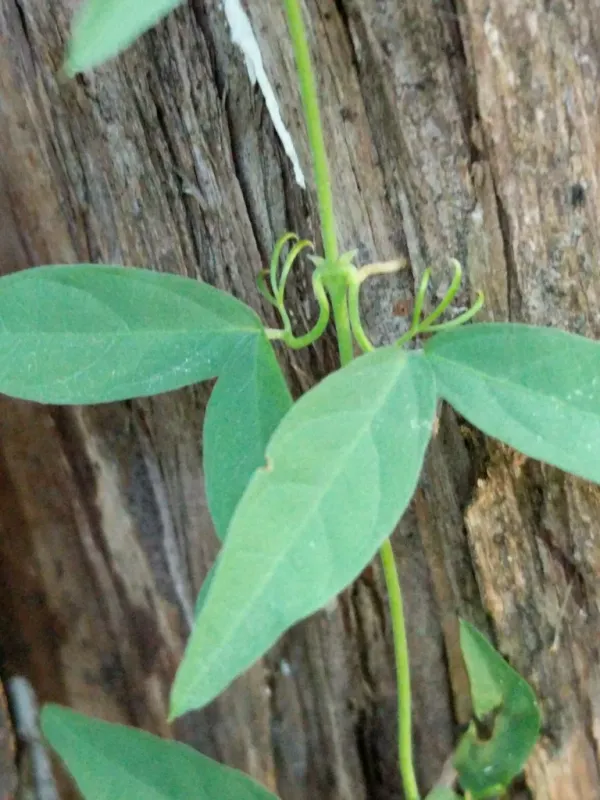
The plant is characterized by its unique tendrils, which terminate in three sharp, hook-like claws, allowing it to climb vertical surfaces such as trees, fences, and walls with ease. It features opposite compound leaves and produces spectacular, trumpet-shaped bright yellow flowers during the blooming season.
Environmental requirements for this vine include full sun exposure, which promotes the most prolific flowering and vigorous growth. While it shows a preference for tropical heat, it possesses significant climatic plasticity, often surviving in subtropical and even temperate regions with mild winters.
Regarding soil conditions, cat's claw creeper is highly adaptable, thriving in various types of soil ranging from sandy loams to heavier clays. Its success is largely attributed to its deep, tuberous root system, which serves as a reservoir for water and carbohydrates, enabling the plant to withstand extended dry periods.
Agricultural management is intensive due to the plant's aggressive nature. Regular pruning is mandatory to prevent it from outcompeting native vegetation. Gardeners must provide sturdy support structures if they intend to keep the plant contained, as its weight can be substantial as it matures.
Main diseases and pests
The primary concern regarding this species is its classification as a highly invasive weed in many parts of the world. Its ability to produce high quantities of wind-dispersed seeds allows it to rapidly establish itself in undisturbed natural environments, where it smothers canopy trees and degrades local biodiversity.
Disease pressure on this plant is generally low, as it exhibits a robust constitution against most common garden pathogens. Pests such as mealybugs or spider mites may occasionally infest the plant, especially in glasshouse environments or when the vine is stressed due to poor ventilation or extreme heat.
Management of established populations is exceptionally difficult because of the resilient tuberous roots, which can sprout new growth even after the aerial stems have been cleared. Chemical control, specifically the application of herbicides to fresh stumps, is often required to achieve complete eradication.
Integrated management plans often focus on seed bank exhaustion and preventing further propagation by trimming fruiting structures before they split. In its native range, biological control agents such as specialized insects have been used to limit its excessive spread.
Monitoring the perimeter of garden plantings is essential for early detection of seedlings. Quick intervention by digging out young plants, including their developing tubers, remains the most effective strategy for maintaining control over this persistent climber.