
Distimake cissoides
Distimake cissoides (Lam.) Simões & Staples
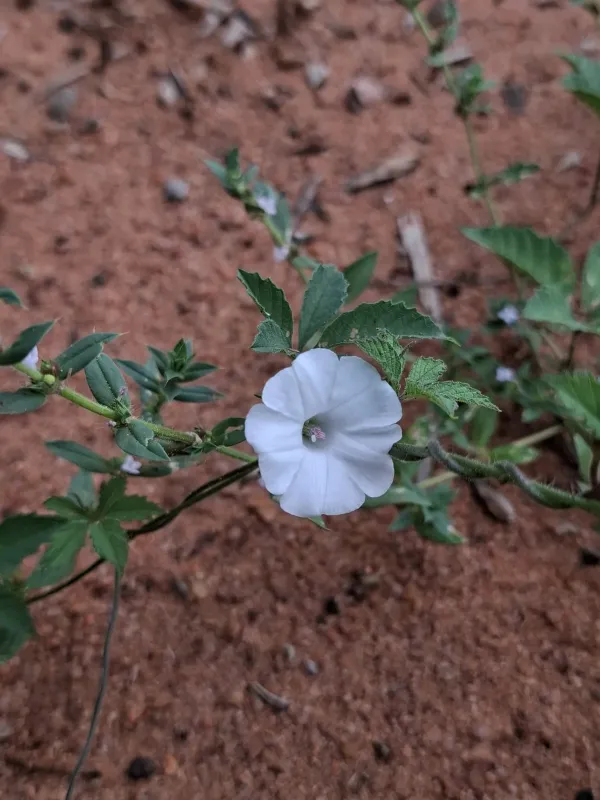
Description
Growing requirements
Distimake cissoides is a herbaceous vine belonging to the Convolvulaceae family. Native to tropical regions of the Americas, this species is known for its rapid vegetative growth and climbing habit.
The plant thrives in warm, tropical climates and requires full sunlight to achieve optimal development. It is highly sensitive to cold and cannot survive frost, necessitating a controlled environment in cooler temperate regions.
Soil requirements include high organic content, good fertility, and effective drainage. The species is sensitive to waterlogging, which can lead to rapid decay of the root system under improper irrigation management.
Trellising or providing structural support is essential for the cultivation of this vine. Without support, the plant forms dense mats on the ground, which may lead to increased susceptibility to fungal diseases.
Regular maintenance involves consistent moisture management and seasonal nutrient application. In its native habitat, it adapts well to various tropical environments but requires management to prevent excessive spread.
Main diseases and pests
The most common disease threat for Distimake cissoides is powdery mildew, which manifests as a dusty white growth on leaves. This typically occurs in high-humidity conditions with stagnant air.
Pest pressure is frequently exerted by spider mites, especially in drier seasons. These pests thrive in hot environments and can lead to chlorosis and eventual necrosis of the leaf tissues if left unchecked.
Aphids often target young, tender shoots, causing stunted growth and leaf distortion. Integrated pest management, including the use of neem oil or insecticidal soaps, is effective in keeping populations low.
Root rot, often caused by overwatering or soil compaction, is a critical threat. The primary defense against this is ensuring excellent soil porosity and avoiding irrigation schedules that keep the soil saturated.
Viral infections transmitted by whiteflies or thrips can also affect the plant's health. Managing these vector populations is necessary to ensure the longevity and productivity of the plant stand.