
Distichium inclinatum
Distichium inclinatum
Description
Growing requirements
Distichium inclinatum is a perennial moss belonging to the Distichiaceae family. It is not an agricultural crop but is an essential subject for bryological research and ecological assessment in northern and alpine regions.
The distribution of this species is circumpolar, found in arctic, subarctic, and mountainous regions across the Northern Hemisphere. It thrives primarily in environments characterized by calcareous soils and limestone outcrops.
The plant requires specific ecological conditions, including well-drained soil and a moderate supply of moisture. It serves as a natural indicator of alkaline soil conditions, which are necessary for its germination and establishment.
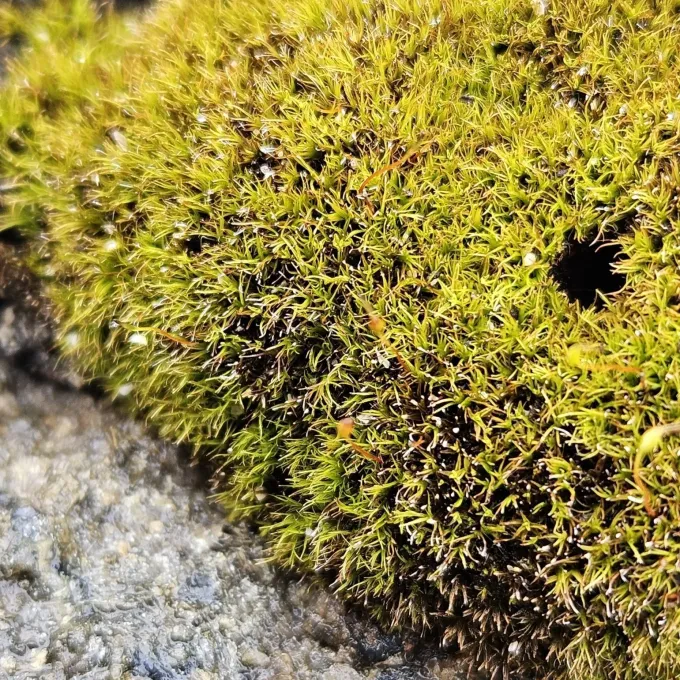
Morphologically, the plant forms dense tufts with distichous (two-ranked) leaves, which helps to optimize light interception and moisture retention. Its life cycle is perfectly adapted to the short growing seasons of high-latitude regions.
There is no commercial agricultural use for this plant. It is primarily valued for its contribution to local biodiversity and as a reference point for monitoring the ecological health of high-latitude environments.
Main diseases and pests
The primary threats to Distichium inclinatum include habitat degradation caused by infrastructure development, mining, and localized pollution in remote northern territories.
Climate change is identified as a long-term threat, as rising temperatures allow more aggressive, taller vascular plants to colonize the niches previously occupied by this moss.
There are no known agricultural pests or diseases associated with this moss, as it evolves in environments where the pressure from typical plant pathogens is minimal due to cold temperatures.
Overgrazing by livestock in alpine areas can lead to mechanical destruction of the fragile moss cushions, leading to local extinction of the species in heavily impacted areas.
Conservation strategies should focus on protecting limestone-rich habitats and managing land use to prevent soil compaction and disruption of natural water drainage patterns.