
Leatherwood
Dirca palustris
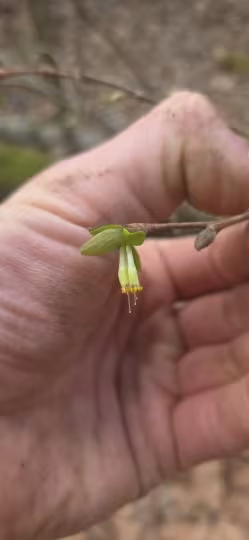
Description
Sowing dates
Propagation of Leatherwood is primarily achieved through seeds, which must be sown immediately after harvest to maintain viability.
The seeds are recalcitrant and do not tolerate drying out, which necessitates direct sowing in a prepared nursery bed or container during autumn.
Cold stratification for several months is crucial for successful germination, mimicking the natural winter cycle of its native habitat.
Vegetative propagation via softwood cuttings taken in late spring is another viable, although sometimes challenging, method for this species.
Success in sowing relies on maintaining consistent moisture levels and providing a specialized, organic-rich soil mix for the seedlings.
Growing requirements
Leatherwood, belonging to the Thymelaeaceae family, thrives in moist, well-drained, acidic to neutral soils found in woodland environments.
It is highly shade-tolerant, making it an excellent addition to managed landscapes that provide natural canopy cover or dappled sunlight.
The shrub demands steady moisture throughout the growing season and does not perform well in sites prone to summer droughts.
Climate requirements include protection from harsh, drying winds and extreme heat, as the plant prefers cooler, temperate forest conditions.
Proper site selection is essential; it requires enough space for its naturally rounded, dense growth habit as it matures over several years.
Main diseases and pests
The plant is famously resistant to many common pests due to the chemical composition of its bark, which is notably flexible and tough.
Root rot is the primary physiological threat, usually triggered by poor drainage or planting in heavy, saturated clay without amendments.
Fungal leaf spots may appear during exceptionally humid seasons, though they rarely impact the overall structural integrity of the plant.
Small mammals, such as voles, can occasionally damage the bark at the base of the shrub during winter, requiring protective wire guards.
Monitoring the foliage for signs of chlorosis can help identify nutrient deficiencies or soil pH imbalances in non-native garden settings.