
Diptychocarpus strictus
Diptychocarpus strictus
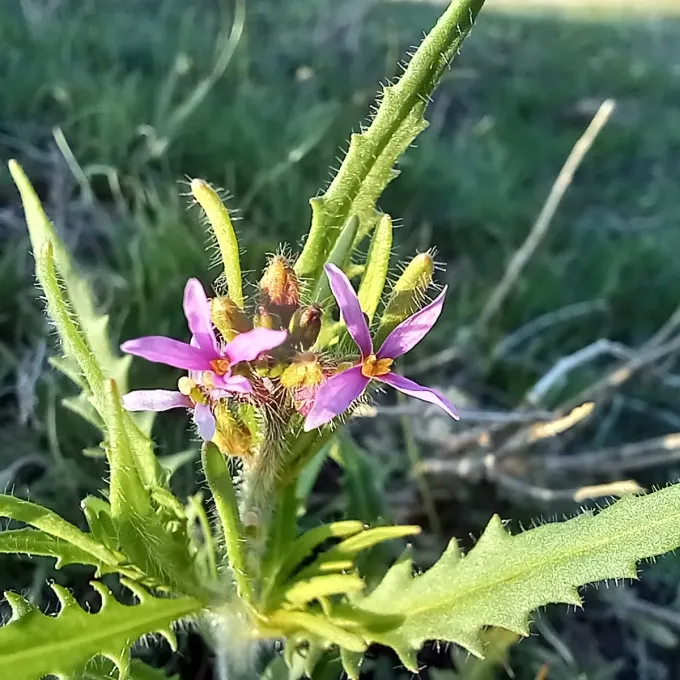
Description
Sowing dates
Diptychocarpus strictus is an annual herbaceous plant belonging to the Brassicaceae family. It is typically a cool-season plant that thrives during the early spring months, utilizing early moisture to establish its root system.
Sowing should be performed when soil temperatures reach approximately 5–10 degrees Celsius, ensuring favorable conditions for germination. Uniform seed placement is critical for obtaining consistent crop emergence across the field.
In practice, seeds are sown at a shallow depth, usually not exceeding 2 centimeters, to conserve the energy reserves of the small seeds. Optimal spacing is necessary to maximize yield and facilitate mechanical harvesting.
The establishment phase is rapid, and once the first set of true leaves develops, the plant shows strong resilience to minor environmental fluctuations. Consistent moisture levels during the germination phase are essential for successful stand establishment.
Field preparation involves creating a fine tilth to ensure optimal soil-to-seed contact. This allows the root system to access water and minerals efficiently from the very beginning of the growing season.
Growing requirements
This crop prefers well-drained, fertile soil, though it possesses a remarkable ability to adapt to various soil types, including sandy loams. It avoids waterlogged areas, as stagnant water can lead to root degradation.
Environmental requirements include a need for abundant solar radiation to support its photosynthetic processes. Diptychocarpus strictus is sensitive to shading, which can significantly reduce the overall biomass production.
Temperature range tolerance is broad, but the plant performs best in moderate climates with average daily temperatures between 20 and 25 degrees Celsius. It can withstand short periods of heat if soil moisture is sufficient.
The plant exhibits high drought tolerance compared to other Brassicaceae members, thanks to its deep-reaching taproot. This feature makes it suitable for semi-arid environments where water availability is inconsistent.
Soil pH levels should be maintained in the neutral range for optimal nutrient uptake. While the crop can tolerate slightly alkaline conditions, extreme acidification should be corrected with lime application before planting.
Main diseases and pests
Crucifer flea beetles represent the most significant pest threat, especially during the early seedling stage. These insects can devastate crops by creating numerous small holes in leaves, hindering photosynthesis.
Fungal diseases, including downy mildew and alternaria leaf spot, may occur in conditions of high humidity. These pathogens spread quickly in stagnant air, requiring proper crop management and density control.
Aphid infestations are a common challenge during the flowering stage, as they target succulent plant tissues. These pests can cause significant damage by vectoring viruses and removing plant sugars.
Root-knot nematodes can impact plant health if the soil is not properly rotated. Integrated pest management strategies, such as crop rotation and the use of resistant varieties, are essential for mitigation.
Regular field scouting is recommended to identify pest populations before they reach economic thresholds. Timely application of approved biological or chemical controls is necessary to protect the plant's health and potential yield.