
Dipsacus asper
Dipsacus asper Wall. Ex DC.
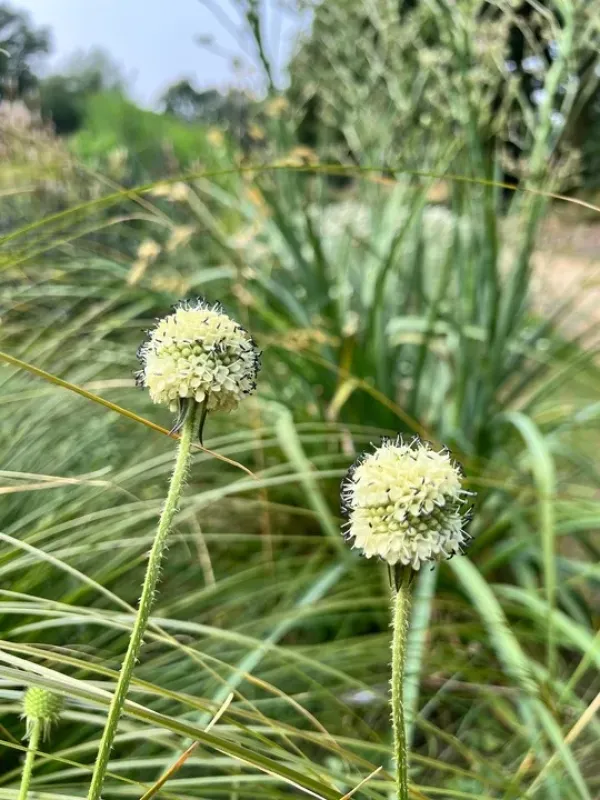
Description
Sowing dates
Dipsacus asper is a perennial herbaceous plant belonging to the Dipsacaceae family. In temperate climates, the seeds should be sown either in late autumn or in early spring, following a necessary period of cold stratification to ensure uniform germination.
Seeds are placed in the soil at a depth of 1–2 cm. When using nursery trays, sowing is typically done in March, allowing the seedlings to establish a strong root system before being transplanted into the field in late May.
Planting density must accommodate the large basal rosette of leaves. Rows should be spaced 60–70 cm apart, with a minimum distance of 50 cm between individual plants to ensure adequate air circulation and light exposure.
For optimal germination, the soil must be kept consistently moist with temperatures ranging between 15 and 20 degrees Celsius. Seedlings usually emerge within three weeks after sowing, requiring protection from soil crusting.
The plant grows relatively slowly during its first year, focusing on root development and rosette formation. It typically reaches its mature reproductive stage, characterized by a tall flowering stalk, in the second or third year.
Growing requirements
This crop thrives in sunny locations protected from strong, drying winds. It prefers fertile, well-drained loamy soils rich in organic matter to support its robust and deep root system.
Water management is critical for Dipsacus asper. While the plant requires consistently moist soil to flourish, it cannot tolerate waterlogging, which often leads to root rot and the death of the primary taproot.
The ideal soil pH for cultivation ranges from slightly acidic to neutral (6.0–7.0). If the soil is too acidic, it should be treated with lime prior to planting to optimize nutrient availability.
Dipsacus asper is relatively cold-hardy; however, in regions with harsh winters without significant snow cover, it is advisable to mulch the basal rosette with straw or dry leaves to protect the crown.
Effective maintenance includes regular weeding and soil loosening between rows, especially during the first year of growth. Keeping the area free of weeds is essential to prevent resource competition.
Yield
The primary economic product of Dipsacus asper is its root, which is highly valued in traditional medicine. Maximum yield and active substance concentration are typically achieved at the end of the second or third year of growth.
Under favorable agricultural conditions, farmers can expect a yield of approximately 1.5–2 tons of dried root per hectare. Yield quality is heavily influenced by soil fertility and proper irrigation management.
To maximize active ingredient potency, harvesting must be timed correctly—usually when the plant's aerial parts start to decline. Harvesting too early or too late can negatively impact the final concentration of medicinal compounds.
Post-harvest processing involves immediate cleaning, washing, and drying at controlled temperatures. This ensures the raw material remains free from contaminants and preserves its therapeutic properties.
The application of potassium-based fertilizers during the second year of growth significantly promotes root mass development. Well-nourished plants produce superior raw material compared to those grown in nutrient-poor conditions.
Main diseases and pests
Dipsacus asper is generally resilient to many common agricultural pests. However, during the early stages of growth, soil-dwelling insects like wireworms can damage the young roots.
In cases of high plant density and poor ventilation, powdery mildew may develop. This fungus appears as a white coating on the leaves and should be managed with organic fungicides or sulfur-based treatments.
Root rot, driven by excessive soil moisture and poor drainage, remains the most significant threat to a healthy harvest. Ensuring soil porosity and correct watering intervals are the best prevention strategies.
Aphids occasionally target the flower stalks, potentially spreading viral diseases. Controlling aphid populations early with biological agents or mild soap sprays can prevent damage to the inflorescences.
Slugs and snails can cause significant damage to the basal leaves during rainy periods. Implementing barriers or using organic slug baits around the perimeter of the field helps to mitigate this risk.
Harvesting
Harvesting usually takes place in late autumn when the plant enters dormancy. Yellowing leaves and a drying stalk indicate that the root has reached its peak concentration of active metabolites.
Mechanical harvesting is preferred for large fields, using specialized plows to lift the roots from the soil. Manual care is required to ensure the roots remain intact without excessive breakage.
After removal, roots must be washed immediately to remove soil residues and then sorted. Any damaged parts should be removed to prevent mold growth during the drying process.
Drying is performed in clean, shaded, and well-ventilated areas, or in professional dryers at temperatures not exceeding 50 degrees Celsius to prevent the degradation of heat-sensitive compounds.
The final product should be stored in breathable containers, such as linen or paper bags, within a cool and dry environment to maintain long-term stability and quality for commercial use.