
Diplotropis purpurea
Diplotropis purpurea
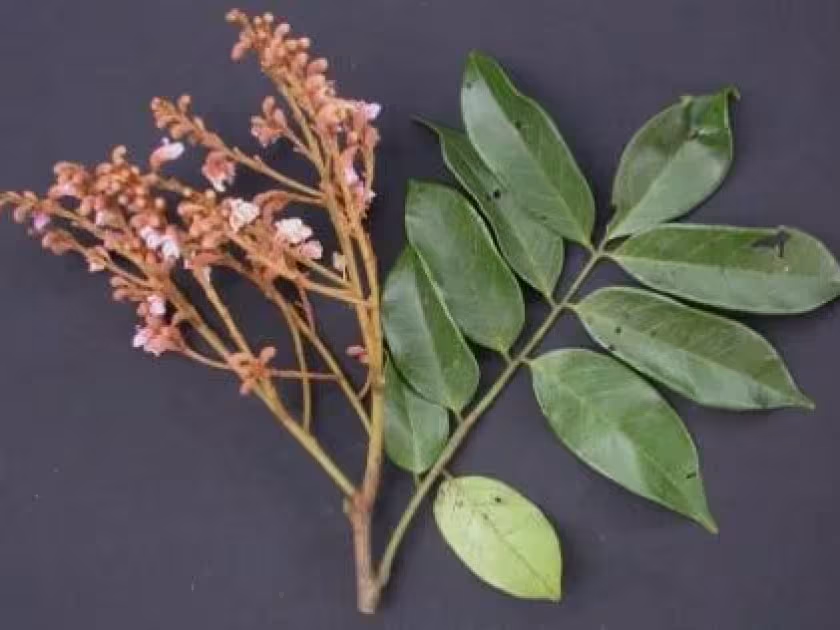
Description
Growing requirements
Diplotropis purpurea is a prominent member of the Fabaceae family, native to tropical regions of South America, often reaching impressive heights in rainforests.
The species thrives in warm, humid tropical climates where annual temperatures remain consistently high throughout the entire growth cycle.
Soil preferences include well-drained, fertile substrates, though the species demonstrates a notable ability to adapt to varying soil compositions.
As a nitrogen-fixing legume, this tree plays a vital role in soil health, naturally improving nitrogen levels for surrounding flora in the ecosystem.
Proper spacing is essential during plantation establishment to allow for the development of its characteristic spreading canopy and deep root system.
Yield
This tree is globally recognized as a source of Sucupira, a highly valued timber species prized for its exceptional density and hardness.
The wood is frequently used for high-end cabinetry, heavy-duty flooring, and outdoor architectural projects due to its superior mechanical properties.
One of the primary benefits of this wood is its natural resistance to insect infestation and rot, which significantly reduces maintenance requirements.
The aesthetic appeal of the dark, rich-grained wood makes it a premium choice for luxury interior design and artisanal craftsmanship worldwide.
Sustainable harvesting of Diplotropis purpurea is crucial, as the tree requires several decades to reach maturity and provide high-quality heartwood.
Main diseases and pests
Root rot pathogens represent the most significant threat to the health of the tree, especially in areas with poor drainage and excessive soil moisture.
Stem-boring beetles can cause severe structural damage to the trunk, weakening the tree and making it susceptible to secondary bacterial infections.
Deforestation and habitat fragmentation pose the greatest risks to wild populations, limiting the genetic diversity required for long-term survival.
Regular monitoring for early signs of canopy yellowing or fungal growth on the bark is recommended to ensure timely intervention and treatment.
Integrated pest management strategies focusing on maintaining forest biodiversity help naturally mitigate the impact of specific local pests and diseases.