
Diplotropis martiusii
Diplotropis martiusii
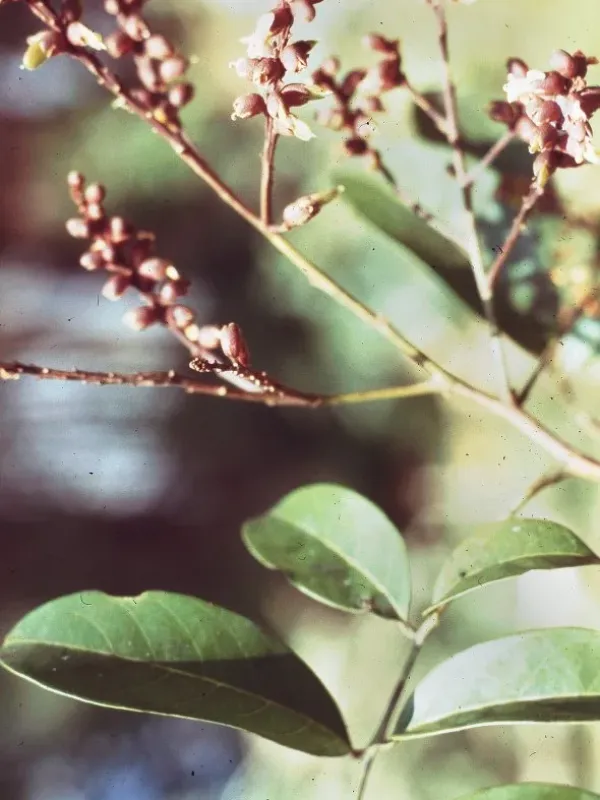
Description
Growing requirements
Diplotropis martiusii is a notable species belonging to the Fabaceae (Legume) family. Native to the tropical regions of South America, this tree is particularly prevalent in the diverse ecosystems of Brazil, thriving in tropical forests.
The tree requires a warm and humid climate to reach its full potential. It is well-adapted to environments with distinct rainy seasons, which provide the necessary moisture for the vigorous growth of this large-canopy species.
Regarding soil conditions, Diplotropis martiusii prefers deep, well-drained soils. Proper drainage is essential, as the roots are sensitive to waterlogging, even though the species requires consistent ambient humidity for optimal health.
Botanically, it is characterized by its significant height and the ability to fix atmospheric nitrogen. This biological feature makes it an important component of the local soil nutrient cycle in its native habitat.
Cultivation practices involve carefully managed seedling establishment. Due to its slow growth rate, the protection of young trees from intense sunlight and weed competition is crucial during the initial stages of development.
Harvesting
The primary economic value of Diplotropis martiusii lies in its timber. The wood is highly sought after for its exceptional hardness, durability, and rich visual texture, often marketed under trade names associated with premium hardwoods.
In forest management, harvesting is conducted through sustainable practices. Given the tree's long maturity cycle, planning for timber extraction is a long-term commitment that ensures the forest's ongoing regeneration.
The wood is particularly prized for its resistance to decay and insects. These properties make it an excellent choice for heavy-duty construction, high-end furniture manufacturing, and durable flooring solutions.
Agronomic monitoring in timber plantations focuses on maintaining tree health and vigor. While the species is robust, identifying early signs of fungal or pest issues is part of standard forest stewardship programs.
Beyond commercial use, the species contributes significantly to biodiversity. By preserving such trees, foresters support the complex network of species that rely on the unique structure and resources provided by the Diplotropis genus.