
Diplorhynchus mossambicensis
Diplorhynchus mossambicensis
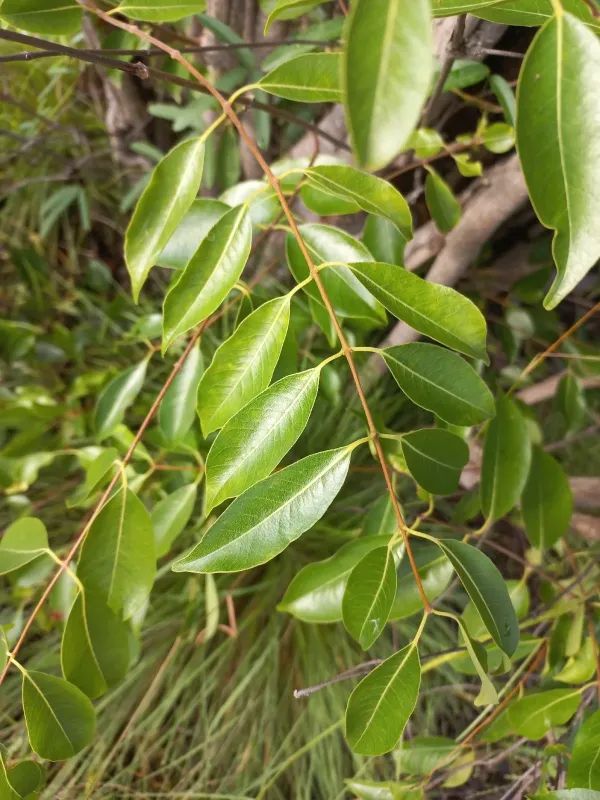
Description
Growing requirements
Diplorhynchus mossambicensis is a small tree or shrub belonging to the Apocynaceae family. It is native to the tropical and subtropical regions of Africa, specifically found in the woodland savannas of the Zambezian phytogeographical region.
This species thrives in well-drained sandy or rocky soils and is well-adapted to environments characterized by distinct wet and dry seasons. Its physiological structure allows it to withstand significant periods of water scarcity.
Botanically, it is recognized by its milky latex, which is secreted from the stems and leaves when injured. The leaves are typically simple and opposite, while the flowers are white or creamy-yellow and highly fragrant.
Regarding cultivation requirements, the plant demands full sun exposure to flourish. While it does not require intensive agricultural input, maintaining proper soil drainage is essential to prevent physiological stress or root rot.
In terms of economic use, the tree is highly valued by local communities for its medicinal properties, particularly in treating inflammatory conditions, and as a historical source of latex for tool making.
Main diseases and pests
The species faces pressure from various insect herbivores that feed on the foliage, including caterpillars and specific types of beetles common in the Miombo ecosystem.
Fungal diseases, specifically those manifesting as leaf spots or stem cankers, can compromise plant health if environmental conditions become excessively humid or stagnant.
Parasitic plants, such as various mistletoe species, are known to infest the branches of Diplorhynchus mossambicensis, drawing nutrients and water away from the host tree.
Over-harvesting of bark for traditional medicine poses a significant threat to individual trees, often leading to secondary infections or the death of the plant due to ringing.
Effective management requires sustainable harvesting techniques and periodic monitoring to detect early signs of pest outbreaks before they lead to widespread infestation.