
Diplorhynchus angustifolius
Diplorhynchus angustifolius
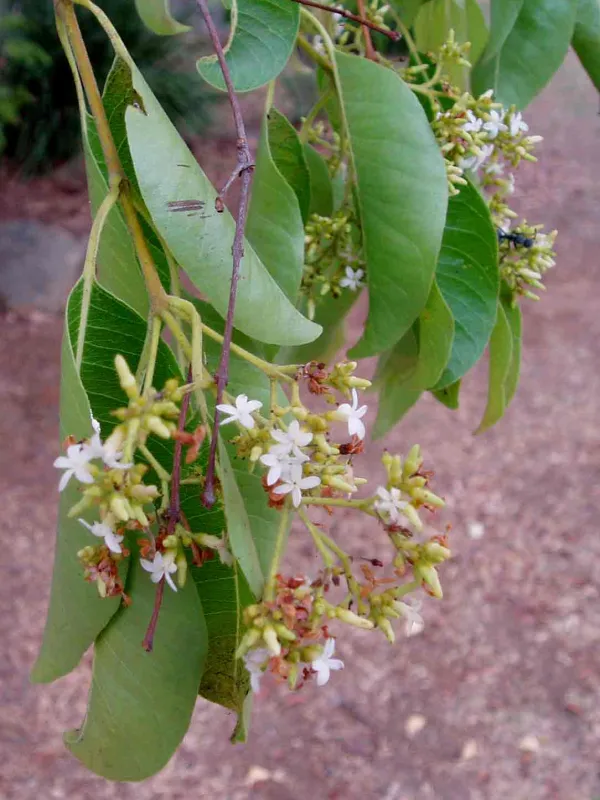
Description
Growing requirements
Diplorhynchus angustifolius is a notable woody plant species within the Apocynaceae family, primarily distributed across the tropical regions of sub-Saharan Africa. This species is commonly found in deciduous woodlands and wooded savannas, where it contributes to the local biodiversity.
The plant exhibits a shrub-like or small tree habit, typically reaching a height of up to 10 meters. Its leaves are narrow, leathery, and possess a distinct shape that distinguishes it from other common savanna trees. It thrives in well-drained soils and is particularly resilient in regions with nutrient-poor or rocky substrates.
Environmental requirements for this species are centered around warm, tropical climates. Diplorhynchus is highly drought-tolerant, an adaptation that allows it to survive in environments where rainfall is strictly seasonal and limited for several months of the year.
Cultivation aspects often focus on its value as a multi-purpose tree. The sap, which contains a white latex, has been traditionally harvested for various uses, including adhesive production. Furthermore, its wood is valued for its durability and resistance to decay, making it a sustainable choice for local construction purposes.
Light intensity is a critical factor for the healthy growth of Diplorhynchus angustifolius. It prefers areas with high solar radiation and does not perform well in the shaded understory of dense forests. Providing adequate space for canopy development is essential for optimal growth rates.
Main diseases and pests
Due to the presence of alkaloids and latex within its tissues, Diplorhynchus angustifolius possesses a strong natural defense mechanism against many insects and pathogens. This chemical composition significantly reduces the incidence of large-scale disease outbreaks in natural populations.
The primary threat to the species is deforestation driven by the demand for fuel wood and charcoal production. As human populations expand, the clearance of woodland areas leads to a reduction in the natural distribution range of the plant.
Minor pest issues can include foliage-feeding larvae that may occasionally target new leaf growth during the rainy season. However, these are generally not fatal to mature trees and represent a natural part of the ecological balance within the savannah biome.
Soil-borne pathogens may pose a risk to seedlings in managed nursery environments, particularly if the substrate remains waterlogged. Ensuring proper irrigation practices and preventing standing water is crucial for seedling survival and early development.
Conservation efforts are increasingly focused on sustainable harvesting of the tree's resources to prevent overexploitation. Protecting mature individuals from unnecessary trunk damage remains the most effective strategy for ensuring the long-term health and regeneration of the species.