
Diplopterygium laevissimum
Diplopterygium laevissimum
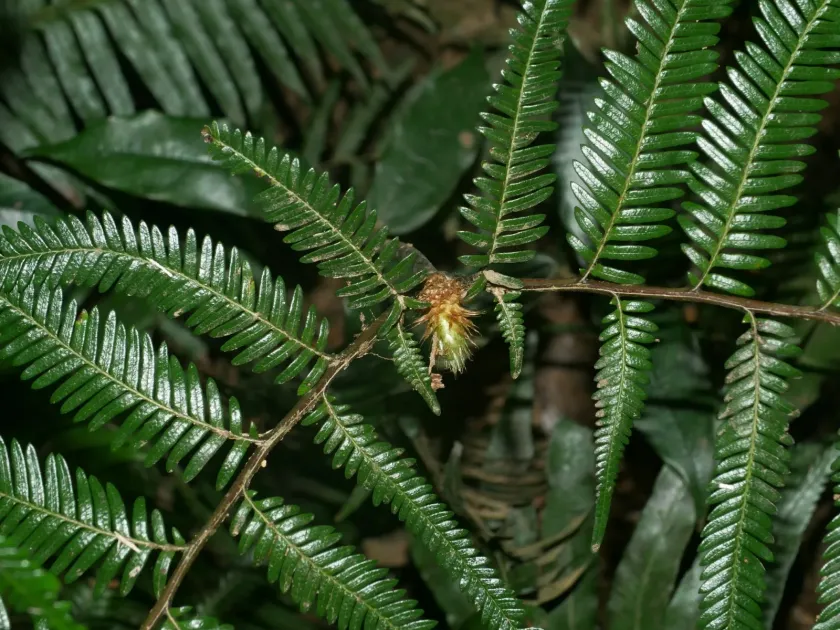
Description
Growing requirements
Diplopterygium laevissimum is a member of the Gleicheniaceae family. It is a perennial fern species primarily native to the humid mountain forests of Asia, where it grows as an understory plant.
This fern species requires a stable environment with high atmospheric humidity. It thrives in shaded or semi-shaded locations, as direct sunlight can cause rapid dehydration and scorched foliage.
The optimal substrate for cultivation is a loose, acidic, and well-draining mixture rich in organic matter. Proper drainage is critical to prevent root rot, which is the most common cause of failure in fern cultivation.
Agricultural management includes precise irrigation with soft, chlorine-free water. The temperature should be maintained within a moderate range to simulate its natural montane habitat.
Propagation typically relies on rhizome division or spore cultivation in specialized nursery conditions with strictly regulated moisture and light parameters.
Main diseases and pests
The primary pathological threats include various root rot fungi and soil-borne pathogens that flourish in stagnant or overly saturated growing media.
Pest pressures are largely dominated by spider mites and scale insects, especially in indoor environments with low airflow and insufficient humidity levels.
Foliar diseases may occur if the fronds remain wet for extended periods in low light, leading to the development of necrotic spots caused by bacterial or fungal pathogens.
Stunted growth or chlorosis is often a symptom of nutrient deficiency or inappropriate pH levels in the potting medium, requiring immediate adjustment of fertilization schedules.
Integrated pest management, including regular sanitation and the use of preventative systemic fungicides, is recommended to ensure long-term crop vitality.