
Diplocyclos palmatus
Diplocyclos palmatus
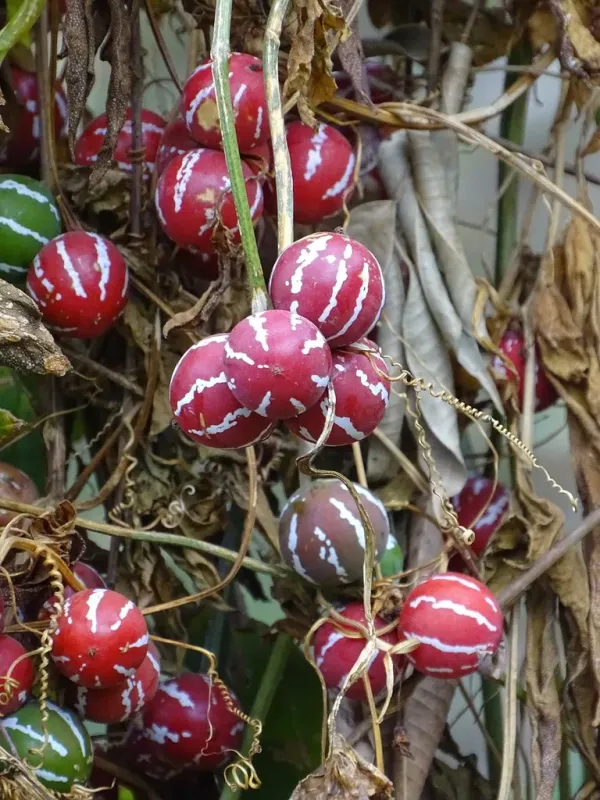
Description
Sowing dates
Sowing Diplocyclos palmatus in temperate climates requires starting seeds indoors or in a greenhouse 4 to 6 weeks before the last frost date. The plant is highly sensitive to cold, making it unsuitable for direct sowing in cooler regions during early spring.
Optimal germination occurs at soil temperatures ranging from +22 to +25 degrees Celsius. Use a well-draining, sterile potting mix to ensure the seeds have sufficient nutrients while preventing damp-off, a common issue for many Cucurbitaceae members.
In tropical and subtropical zones, seeds can be sown directly into the soil once it is sufficiently warm. Planting depth should be around 2–3 centimeters, with adequate spacing to allow for the plant's natural, vigorous growth habit.
Transplanting seedlings to their final location must be performed only after all frost risks have passed. Space plants approximately 50 to 70 centimeters apart to ensure proper airflow and room for the vines to spread across their support structures.
As this species is a climbing vine, trellis systems or sturdy netting must be installed at the time of planting. Establishing these supports early prevents future damage to the plant's delicate root and stem systems during late-stage installation.
Growing requirements
Diplocyclos palmatus is a member of the Cucurbitaceae family, originating from the tropical and subtropical regions of Africa, Asia, and Australia. It thrives in sunny environments that offer protection from strong, drying winds.
Soil requirements involve high fertility and excellent drainage. The plant prefers light loam or sandy soils that are rich in organic matter. Maintaining a slightly acidic to neutral pH level is ideal for healthy nutrient uptake.
Regular irrigation is essential, as the plant's large foliage surface area transpires significantly. However, water management is critical; waterlogged soil will quickly lead to root decay and the decline of the vine's health.
The species is strictly heat-loving and requires high cumulative temperatures to reach full maturity. Growth is severely inhibited if temperatures drop below +15 degrees Celsius, and exposure to frost will result in total plant mortality.
Fertilization should be consistent throughout the growing season. Applying liquid nitrogen-based fertilizers during the vegetative phase and switching to potassium-rich formulations during the flowering and fruiting stages supports vigorous development.
Main diseases and pests
The most common pests affecting Diplocyclos palmatus include spider mites and aphids, which frequently target the plant in dry, warm conditions. These pests cause leaf deformation, yellowing, and a decline in the vine's overall vitality.
Fungal diseases, such as powdery mildew and various root rots, represent the most significant threats to this crop. These are often encouraged by poor air circulation or excessive moisture sitting on the leaf surfaces for extended periods.
Management of these threats starts with preventive measures, such as ensuring proper plant spacing and avoiding overhead irrigation. If pest populations reach critical levels, apply biological controls or appropriate insecticides.
Proactive monitoring of the foliage and stems is recommended, especially in high-humidity climates. Early detection of leaf spots or discoloration allows for quick intervention, preventing the spread of infection to other parts of the plant.
Implementing a proper crop rotation system is crucial for long-term soil health. Avoiding planting this species in areas previously occupied by other cucurbits helps minimize the buildup of soil-borne pathogens and pests.
Harvesting
Harvesting the fruits of Diplocyclos palmatus is done once they achieve full biological maturity. The fruits develop a distinctive red color with white stripes, making them highly prized for ornamental displays.
It is important to emphasize that these fruits are non-edible and considered toxic to humans and pets. Always handle the plant with care, preferably using gloves, especially during the collection and processing of fruits.
When harvesting for decorative purposes, use sharp pruning shears to cut the fruit with a small portion of the stem attached. This careful handling maintains the fruit's integrity and prolongs its appearance in arrangements.
Post-harvest, the fruits should be laid out to dry in a cool, well-ventilated area away from direct sunlight. Proper drying is vital to prevent rotting and to ensure the decorative quality of the fruit is preserved for as long as possible.
For seed collection, wait until the fruit is fully ripe, extract the seeds, and thoroughly clean them of all pulp residue. Air-dry the seeds completely before storing them in paper envelopes in a cool, dry environment for the next planting season.