
Dipentodon
Dipentodon sinicus
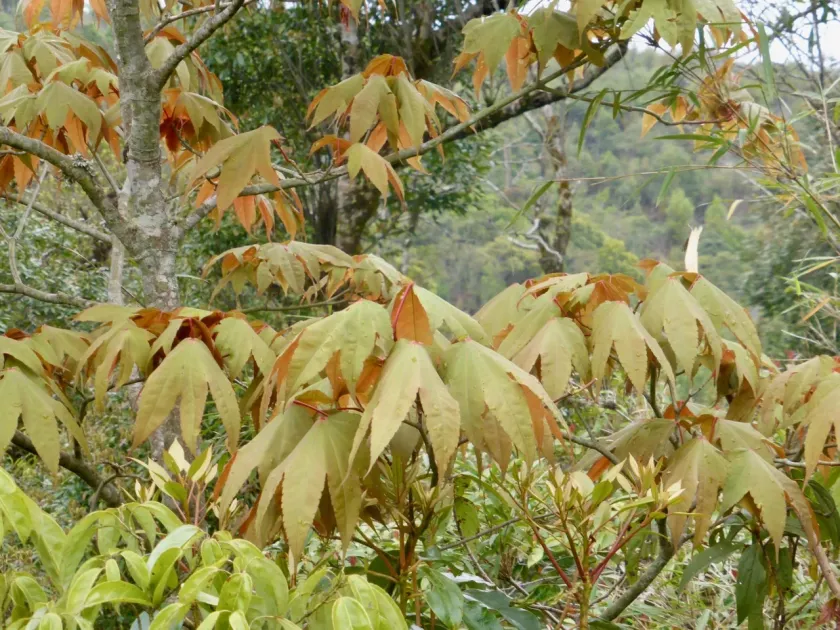
Description
Growing requirements
Dipentodon sinicus is a rare woody species belonging to the monotypic family Dipentodontaceae. In its natural form, the plant typically manifests as a small tree or a dense shrub, characterized by its deciduous, alternate leaves and distinctive floral structures.
The native habitat of this plant is restricted to the subtropical forest regions of Southern China, Myanmar, and parts of Northeast India. It thrives in high-humidity environments, usually found in mountainous areas at moderate altitudes, which provides the necessary stable microclimate.
Successful cultivation of this species requires well-drained, nutrient-rich soil with an acidic to neutral pH profile. Growers should ensure that the planting site offers protection from severe frost, as the species is sensitive to extreme temperature drops and harsh winter conditions.
In terms of agricultural management, the plant benefits from a mulch layer to maintain soil moisture consistency. It is important to avoid waterlogged conditions, which can lead to root rot, a common physiological issue in poorly drained horticultural environments.
Currently, the primary utilization of Dipentodon sinicus is focused on botanical research and specialized arboretums. Its potential for wider ornamental or industrial use remains under evaluation by agronomists interested in preserving rare genetic resources and forest biodiversity.