
Dinochloa scandens
Dinochloa scandens
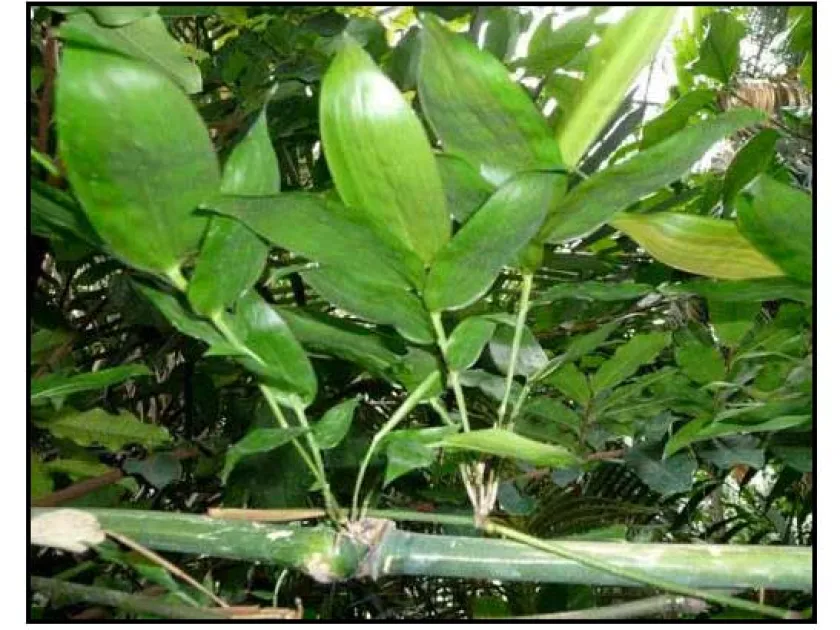
Description
Growing requirements
Dinochloa scandens is a species of woody climbing bamboo belonging to the Poaceae family. Native to the tropical rainforests of Southeast Asia, this plant is well-adapted to hot, humid environments where rainfall is abundant throughout the year.
For successful cultivation, the plant requires deep, fertile, and well-drained soils rich in organic matter. While it thrives in the understory of forests, it needs sufficient filtered light to develop its characteristic climbing culms efficiently.
The botanical structure of this bamboo includes long, flexible, and robust stems that utilize trees as physical support. Cultivators often provide trellis structures or integrate the bamboo into agroforestry systems to mimic its natural growth habit.
Propagation is primarily achieved through rhizome division rather than seeds, which are rarely produced in sufficient quantities for large-scale agricultural use. Ensuring high humidity during the establishment phase is critical for root system development.
The plant exhibits rapid vegetative expansion. Proper spacing during initial planting is essential to prevent overcrowding and to ensure that air circulation remains optimal within the grove, reducing the risk of fungal infections.
Yield
The economic value of Dinochloa scandens is largely tied to its flexible culms, which are highly prized in the handicraft and furniture industries. The stems can be bent and woven without losing their structural integrity.
In many regions, young bamboo shoots are harvested for human consumption. When boiled or processed, they provide a nutritious food source rich in dietary fiber, making the bamboo a multi-purpose agricultural crop.
The long, durable fibers are also processed into ropes and binding materials used in traditional building practices. The mechanical strength of these fibers makes them a sustainable alternative to synthetic binding materials in rural settings.
Yield management involves selective harvesting of mature culms, which encourages the growth of new, vigorous shoots from the rhizome. This cyclical approach ensures a sustainable harvest over a long operational lifespan of the bamboo patch.
Post-harvest processing often includes stripping, curing, and drying to ensure the longevity of the fibers. Proper management of the moisture content in the culms after harvest is vital for maintaining high market quality.
Main diseases and pests
Fungal pathogens represent the most significant threat to Dinochloa scandens, particularly in regions with poor drainage or stagnant air. Excessive humidity can lead to rot at the base of the culms, compromising the plant's stability.
Pests such as bamboo mites and certain leaf-feeding larvae can cause significant foliage loss if not managed early. These pests weaken the plant, leading to stunted stem growth and overall reduced productivity.
Weed management during the establishment phase is essential. Invasive grasses and shrubs can compete for nutrients, significantly slowing down the bamboo's rate of spread and culm maturation.
Borer insects can damage stored bamboo, making post-harvest treatment with natural deterrents or proper kiln drying essential. Prevention of infestation requires clean storage facilities away from soil contact.
An effective integrated pest management strategy relies on maintaining the vigor of the bamboo through proper nutrition and selective clearing of old, diseased culms to ensure the grove remains healthy and productive.