
Dinizia excelsa
Dinizia excelsa
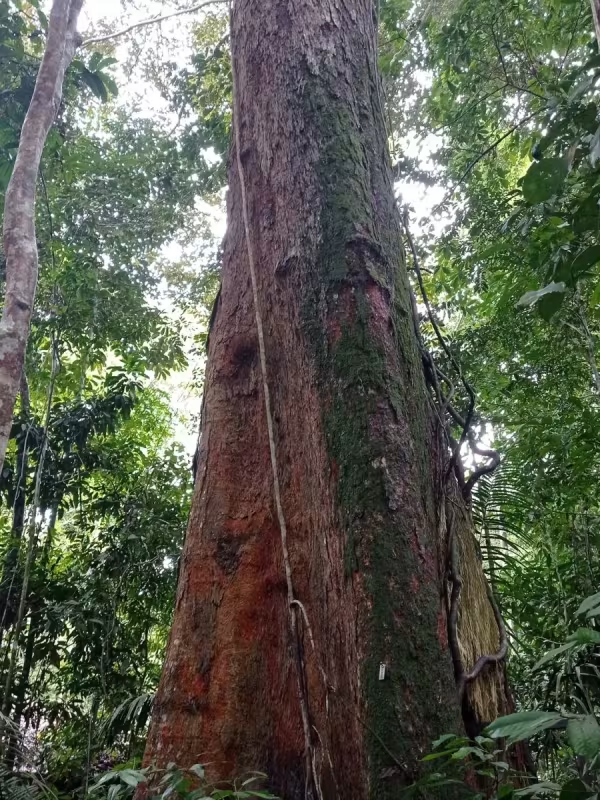
Description
Sowing dates
The propagation of Dinizia excelsa primarily relies on seed dispersal within its native habitat. In agricultural settings, fresh seeds must be sown shortly after collection, as their viability decreases rapidly if stored improperly.
Nursery practices involve placing seeds in well-aerated substrates that retain moisture without becoming waterlogged. High humidity and warmth are essential to stimulate germination, which usually occurs within a few weeks under controlled conditions.
Seedlings require a careful transition period from a shaded nursery environment to more open conditions. This hardening-off process is critical to ensure the young trees develop the structural integrity needed to withstand direct sunlight.
Planting in the field is most successful at the start of the wet season, allowing the trees to establish their root systems before the onset of drier months. Proper spacing is necessary to minimize competition for light as the trees mature.
Growth stimulation in young plantations can be achieved through the use of organic fertilizers and symbiotic microbial inoculants. These inputs help the seedlings overcome early developmental hurdles in less-than-ideal soil conditions.
Growing requirements
Dinizia excelsa is a member of the Fabaceae family and is famously one of the tallest trees in the Amazon rainforest. It thrives in tropical climates characterized by high temperatures and consistent rainfall throughout the year.
The tree prefers deep, fertile, and well-drained soils, typically found in terra firme forests. While it can adapt to various soil types, avoid locations prone to seasonal flooding, which can stifle root development.
Light availability is a major factor in the tree's development. As a canopy-dominant species, it requires ample solar radiation as it matures, though it may tolerate partial shade during its initial growth stages.
As a nitrogen-fixing species, Dinizia excelsa contributes to soil health by forming symbiotic relationships with soil bacteria. This capability allows it to flourish in nutrient-variable tropical environments.
Sustainable management requires regular monitoring of soil moisture and nutrient levels. Protecting the saplings from invasive weeds during the first few years of growth is crucial for establishing a healthy stand.
Yield
The primary economic value of Dinizia excelsa lies in its incredibly hard, dense, and durable timber. Known as Angelim Vermelho, the wood is highly prized for heavy construction, such as bridges and infrastructure.
Yield estimation depends on the long-term growth cycle of the tree. Given its slow-to-moderate growth rate, individual specimens can accumulate a massive volume of high-quality lumber over several decades.
Modern forestry focuses on selective harvesting to ensure the long-term viability of the population. Yield optimization is achieved through genetic selection and improved silvicultural practices that promote straighter, faster growth.
In addition to timber, the tree serves a vital role in carbon sequestration, making it a valuable asset in environmental conservation projects. These ecosystem services provide economic benefits beyond simple wood production.
Seed collection remains an important secondary enterprise, providing genetic material for reforestation initiatives. Maintaining a diverse gene pool is essential for the future resilience of the species.
Main diseases and pests
Young trees are particularly susceptible to defoliating insects that can retard growth. Integrated pest management, focusing on biological controls, is preferred to maintain the health of the plantation.
Fungal pathogens affecting the roots pose a risk in areas with poor drainage or excessive soil compaction. Ensuring proper site preparation and drainage management is the most effective preventative measure.
Climate change, specifically shifts in precipitation patterns, threatens the stability of tropical ecosystems. Prolonged droughts can cause stress, making trees more vulnerable to secondary infections and pests.
Deforestation and habitat fragmentation are significant anthropogenic threats to Dinizia excelsa populations. Protecting remaining stands and promoting legal, sustainable logging are vital for the species' survival.
Wood-boring beetles can cause degradation of timber quality in older or stressed trees. Regular inspections and the maintenance of healthy forest stands help mitigate the risks associated with these wood-damaging organisms.