
Yellow foxglove
Digitalis obscura
Description
Sowing dates
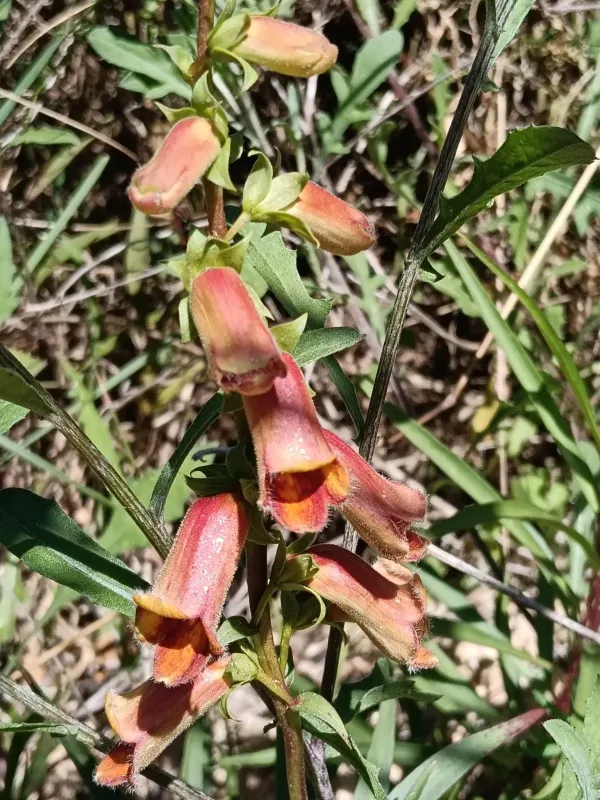
The yellow foxglove (Digitalis obscura) is a perennial herbaceous plant belonging to the Plantaginaceae family. Sowing this crop in temperate climates is typically performed during the spring, between April and May, once the soil has warmed sufficiently.
To produce seedlings, seeds are sown in trays containing a light, well-draining substrate; they should not be buried deeply, as they require light to germinate. Sprouts typically emerge within 2 to 3 weeks under stable humidity conditions.
When sowing directly into the open ground, it is crucial to ensure an even surface and moisture retention. The use of clear plastic covers or row covers in the initial stages helps create an optimal microclimate for young seedlings.
Pricking out of seedlings should be performed once two true leaves have formed, transferring the plants to individual containers or their permanent spot in the garden. Maintaining a distance of 30-40 centimeters between plants is vital for the development of a healthy root system.
Autumn sowing is only viable in regions with mild winters where the risk of freezing young plants before their dormant period is minimal.
Growing requirements
The plant originates from the southwestern regions of Europe, primarily the Iberian Peninsula, which dictates its preference for well-lit, sunny areas. It performs well in full sun, though light shade during the hottest part of the day is beneficial in warmer climates.
The plant has moderate soil requirements, preferring loose, dry, rocky, or sandy substrates with a neutral to slightly acidic pH. Waterlogging is detrimental to the roots, making effective soil drainage an absolute necessity.
Adapted to semi-arid conditions in its natural habitat, the plant does not require heavy watering. Once established, mature specimens exhibit impressive drought tolerance.
Mineral fertilizers should be applied in the spring at the beginning of the growth season, using balanced formulas with lower nitrogen content to encourage flower production rather than excessive foliage.
Providing protection from cold winter winds and high autumn humidity is essential, as crown rot is the most common cause of plant failure in the winter months.
Main diseases and pests
Digitalis obscura is susceptible to fungal diseases such as powdery mildew, which can occur during periods of high humidity and poor air circulation. Regular weeding and maintaining adequate space between plants help reduce infection risks.
Root rot represents a serious threat when drainage systems fail. Affected plants generally cannot be cured, so it is necessary to remove the entire plant, including the surrounding soil, to prevent the spread of the pathogen.
Pests like aphids and spider mites are commonly found on the plant, feeding on the juices of young leaves and flower stalks. During major infestations, the use of biological control agents or systemic insecticides is recommended.
Slugs and snails can cause damage to young foliage, particularly in wet summers. Implementing physical barriers or mulching the soil with coarse gravel helps inhibit their movement around the garden beds.
To prevent viral infections, it is important to follow strict horticultural standards and use only high-quality, disease-free seed material.
Harvesting
The industrial and medicinal use of the yellow foxglove is limited due to its biological activity, as all parts of the plant contain cardiac glycosides. Harvesting occurs during the flowering stage, when the concentration of active compounds is at its peak.
For pharmaceutical use, leafy flower stalks are harvested, taking care not to disturb the root system. Protective gloves must be worn, as the plant sap can irritate the skin and is toxic if it comes into contact with mucous membranes.
Drying of the harvested material is performed in the shade, in rooms with high ventilation, or in professional dryers at temperatures not exceeding 45 degrees Celsius. Overheating can lead to the degradation of the active components.
Once dried, the raw material should be stored in airtight packaging away from direct sunlight. The shelf life of the plant material under these conditions generally does not exceed two years.
Given the highly toxic nature of the foxglove, its utilization is strictly restricted to the pharmaceutical industry for the production of standardized medications under professional supervision.