
Dienia ophrydis
Dienia ophrydis
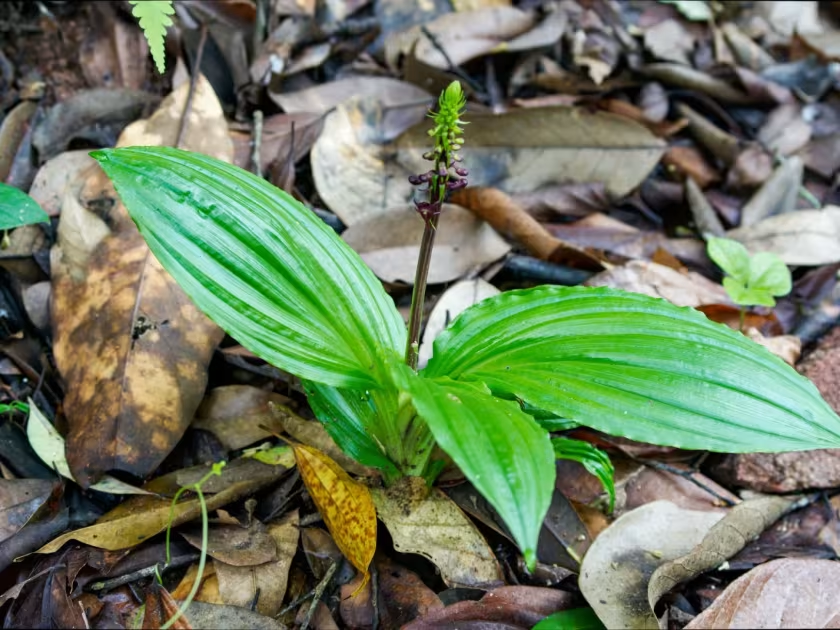
Description
Growing requirements
Dienia ophrydis is a representative of the extensive Orchidaceae family. This perennial herbaceous plant is native to the tropical and subtropical regions of Asia, spanning territories from India to Japan and Australia.
In the wild, this species prefers shaded, humid forests, where it grows as a terrestrial or epiphytic plant in humus-rich soils. The plant features characteristic ovoid pseudobulbs and elliptical leaves arranged in a basal rosette.
Successful cultivation of this crop requires an environment with high atmospheric humidity, consistently remaining between 70 and 80 percent. The temperature should stay stable within the range of 20 to 28 degrees Celsius, avoiding sharp fluctuations or cold drafts.
The substrate for Dienia ophrydis must be light, porous, and possess excellent water-retention properties. A mixture based on fine-grade pine bark, sphagnum moss, charcoal, and perlite is optimal to ensure proper oxygenation of the root system.
Lighting should be bright but indirect. Direct sunlight can severely damage the delicate leaf tissue of the plant; therefore, using shade cloth or placing the plant under the canopy of larger specimens is highly recommended.
Main diseases and pests
The primary threats to Dienia ophrydis are fungal diseases, which typically develop due to waterlogging in the substrate or poor air circulation within the growing environment.
Root rot is the most common issue, often leading to rapid plant decline caused by excessive watering. Preventive measures include using sterile substrates and maintaining a strictly balanced irrigation regime.
Among pests, the spider mite and scale insects pose the most significant risk as they feed on leaf sap. In dry air conditions, spider mite populations can expand rapidly, necessitating regular inspection of the foliage.
Mealybugs can also infest leaf axils, requiring either manual removal or the application of specialized biological-origin insecticides to control the outbreak.
An essential element of plant health management is regular sanitation, including the prompt removal of decaying plant matter and keeping the growing area clean to prevent the onset of secondary infections.