
Didymocheton muelleri
Didymocheton muelleri
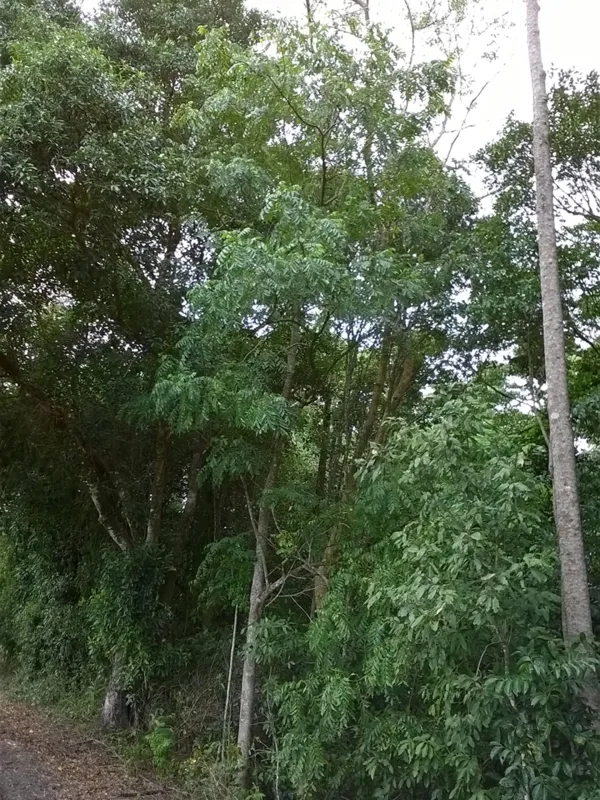
Description
Growing requirements
Didymocheton muelleri is a prominent evergreen tree species belonging to the Meliaceae family. Formerly classified within the genus Dysoxylum, it is commonly identified by its distinct botanical features typical of tropical rainforest vegetation.
The natural distribution of this species is primarily located in the tropical and subtropical rainforests of eastern Australia. It thrives in high-humidity environments where stable temperatures support consistent vegetative growth throughout the year.
Soil requirements for optimal development include deep, fertile, and well-drained substrates. The tree particularly flourishes in alluvial or volcanic soils that provide necessary minerals while allowing efficient root aeration.
Regarding climatic needs, Didymocheton muelleri is strictly non-frost tolerant. It requires protection from strong, desiccating winds and thrives in areas where annual rainfall is abundant and evenly distributed across the seasons.
Botanical growth patterns indicate that saplings demonstrate significant shade tolerance, allowing them to establish beneath the canopy, whereas mature specimens require sufficient canopy space to reach their full architectural potential.
Harvesting
The primary economic utility of Didymocheton muelleri is its high-quality timber. It is highly valued in forestry for its structural integrity, attractive grain, and ease of processing for high-end cabinetry and furniture.
Harvesting strategies are governed by sustainable management practices. Because the growth cycle to maturity spans several decades, selective harvesting is employed to ensure that the ecological balance of the forest remains intact.
The timber processing industry prizes this wood for its unique physical characteristics, often including a subtle scent typical of the Meliaceae family, which adds aesthetic value to finished decorative wood products.
Beyond its economic value, the tree plays a vital role in local biodiversity. Its fruits provide an essential food source for various native birds and arboreal mammals, making it a critical component of regional reforestation programs.
The technical harvest involves evaluating the tree's health and ring structure to ensure the timber meets commercial standards while supporting the continuous regeneration of the plantation or protected forest area.