
Didelotia letouzeyi
Didelotia letouzeyi
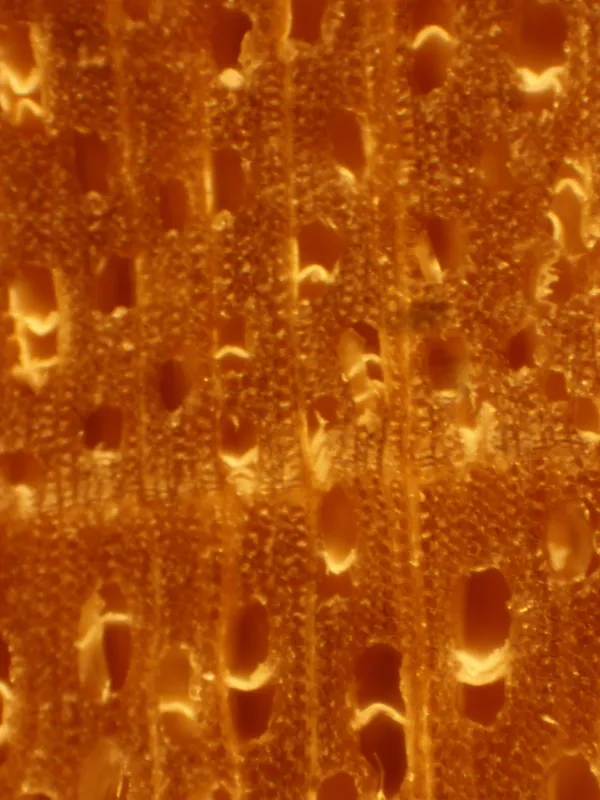
Description
Growing requirements
Didelotia letouzeyi is a distinctive tree species belonging to the legume family (Fabaceae). It is primarily found in the tropical rainforest ecosystems of Central Africa, specifically within the Congo Basin region.
This species requires a warm, humid environment characterized by high annual precipitation levels. It is a shade-tolerant plant during its juvenile stages, which is an essential adaptation for surviving under the dense rainforest canopy.
The ideal soil conditions for this culture are deep, nutrient-rich, and well-drained loams. Maintaining soil moisture is critical for the tree's health, as it is physiologically ill-equipped to handle prolonged water stress.
Botanically, it features pinnate leaves and specialized legume fruits typical of the Caesalpinioideae subfamily. The wood is notably dense and durable, making it a subject of interest for specialized timber production and forest management.
In terms of ecological role, as a legume, it may participate in soil nitrogen enrichment, though detailed agronomic research on its nitrogen-fixing capabilities in plantations is currently limited compared to other crop species.
Main diseases and pests
The primary threat to the stability of Didelotia letouzeyi populations is large-scale deforestation for industrial and agricultural expansion. This habitat loss limits the natural regeneration capacity of the tree species.
Biological threats include various wood-boring insects that target the trunk, potentially degrading timber quality. These pests thrive in weakened trees, often following mechanical injury to the bark or root systems.
Fungal pathogens represent a constant threat, particularly in regions with stagnant water or high humidity where air circulation is poor. Proper forest management practices are necessary to minimize the spread of these infections.
The slow growth rate of this tree complicates reforestation efforts, as it cannot quickly recover from large-scale harvesting. This necessitates long-term conservation strategies rather than short-term exploitation.
Climate change poses a systemic risk, as shifted rainfall patterns in Central Africa can disrupt the reproductive cycle of the species. Monitoring population health is essential to prevent localized extinction of the tree.