
Diarthron caucasicum
Diarthron caucasicum
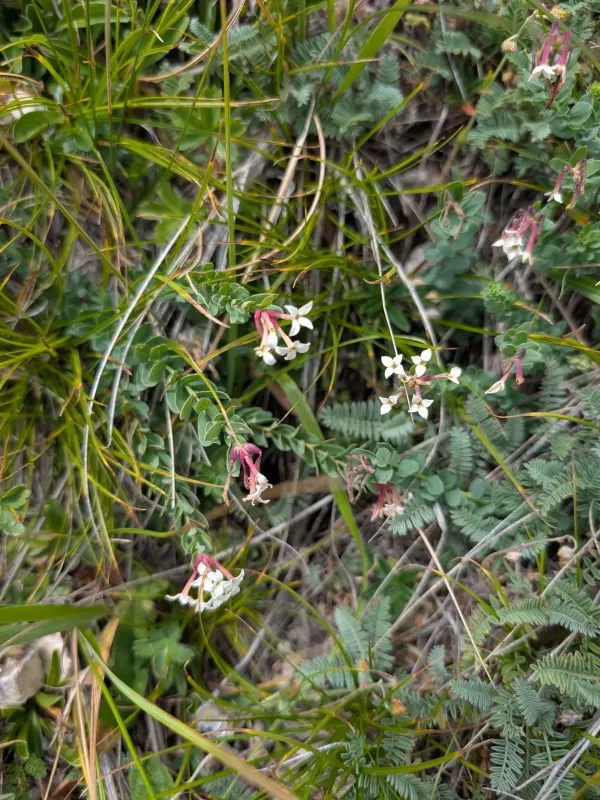
Description
Sowing dates
Diarthron caucasicum is a perennial herbaceous plant belonging to the Thymelaeaceae family. In natural conditions, seed reproduction primarily occurs in autumn when the fruits reach full maturity and shed.
Under cultivation conditions, seeds are sown in late autumn to ensure natural stratification. Sowing in open ground requires loose, well-drained soil that closely mimics the rocky mountain substrates found in its native habitat.
The sowing depth is between 1 and 2 centimeters. It is essential to maintain a stable temperature regime during germination, as the species is sensitive to rapid fluctuations in substrate moisture.
The growing season begins in early spring, immediately after the snow melts. The plant is characterized by slow seedling development, which necessitates rigorous weed control during the early stages of growth.
To accelerate vegetative development in nurseries, plastic covers are used to accumulate heat during the spring. The optimal planting pattern involves sparse spacing to ensure adequate aeration of the root system.
Growing requirements
This species is a xerophyte, adapted to growing in conditions with insufficient moisture and intense solar radiation. Its primary range consists of the mountain slopes of the Caucasus, characterized by rocky and gravelly soils.
The plant prefers slightly alkaline or neutral soils rich in mineral elements. Excessive humus content and water stagnation are detrimental to the root system, which can lead to the development of fungal infections.
Climate requirements include a high need for light throughout the development cycle. The plant is capable of withstanding significant temperature variations typical of high-altitude regions.
During cultivation, waterlogging must be avoided by organizing high-quality drainage. In arid periods, limited drip irrigation may be required, but water stagnation must be entirely excluded.
An important development factor is the presence of specific soil microflora characteristic of its natural habitat. In artificial conditions, adding a small amount of mountain rock material to the soil mixture is recommended.
Main diseases and pests
Common threats to Diarthron caucasicum in cultivation include root rots caused by poor aeration and excessive soil moisture. This makes the species highly vulnerable to various phytopathogens.
Among pests, soil nematodes and weevil larvae pose the greatest danger to the plant's root system. Prevention relies on pre-planting sterilization of the growing substrate.
Powdery mildew infections are possible in crowded plantings with high air humidity. Regular weeding and thinning help reduce the risk of fungal spore spread.
Phytophagous insects can damage young leaves and shoots, weakening the plant during the initial growth period. Monitoring of the planting sites should be conducted weekly throughout the spring and summer.
Chemical protection requires caution due to the species' biological sensitivity. Preference is given to broad-spectrum biofungicides and biological insecticides.