
Illinois bundleflower
Desmanthus illinoensis
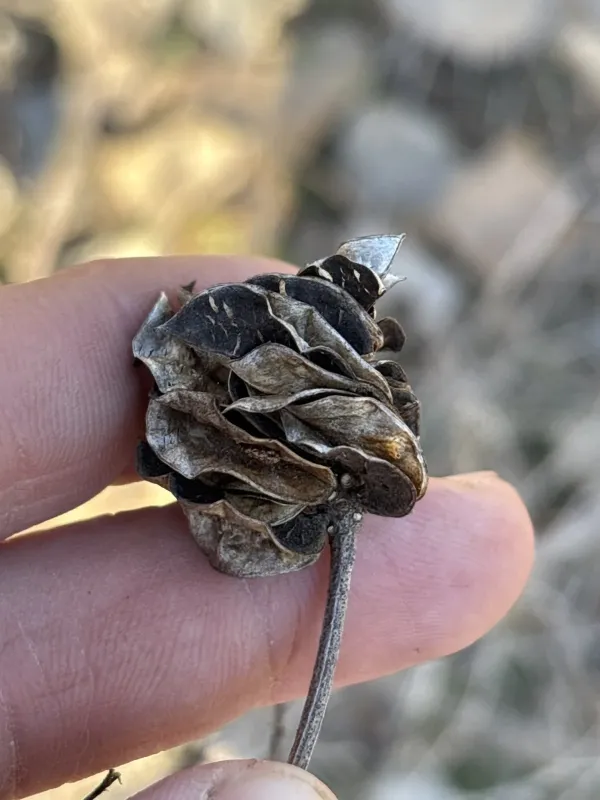
Description
Sowing dates
Illinois bundleflower is a perennial leguminous plant from the Fabaceae family. Its seeds possess a hard coat, so scarification is recommended before planting to ensure uniform and rapid germination.
The optimal sowing time is during the spring once soil temperatures reach 15-18 degrees Celsius. Because seedling growth is relatively slow, choosing a weed-free seedbed is essential for successful establishment.
Row planting is generally preferred to facilitate mechanical weed control during the first growing season. Seeds should be planted at a shallow depth of 1-2 centimeters to maintain optimal soil moisture contact.
During the first year, the plant focuses its energy on developing a deep taproot system. This makes the plant exceptionally resilient to environmental stresses in subsequent years of growth.
For best results, maintain adequate plant spacing, which encourages stronger vegetative development. Proper establishment in the first year guarantees a long-lived and productive stand for years to come.
Growing requirements
Native to North American prairies, this plant thrives in a wide range of soil conditions, including rocky, sandy, and calcareous soils. It is highly adaptable to various landscapes.
A primary strength of the species is its drought tolerance, supported by its deep, extensive root system. This trait makes it an excellent choice for reclamation projects and forage in arid regions.
The plant requires full sun for optimal performance and does not tolerate shade well. It is winter-hardy and can withstand significant seasonal temperature fluctuations throughout the year.
Well-drained soils are essential to prevent root rot, as the plant cannot tolerate waterlogged conditions. It performs well on marginal lands where other, more demanding crops might fail.
As a nitrogen-fixing legume, it naturally enhances soil fertility. Integrating it into crop rotations helps restore nitrogen levels, reducing the need for synthetic nitrogen fertilizer inputs.
Yield
The forage yield of Illinois bundleflower is quite stable, providing a nutritious source of feed for livestock. It remains highly palatable and rich in protein even when reaching maturity.
The biomass can be harvested for hay or used as supplemental grazing forage. Its ability to regrow after harvesting makes it a valuable asset in a managed pasture system.
Seed production requires careful timing, as the pods are prone to shattering if left on the plant too long after maturity. Harvesting slightly early can maximize seed recovery.
The crop is known for its high protein content, making it an excellent feed component. It is often mixed with grasses to create a balanced diet for cattle and other ruminants.
With proper management, a stand can produce consistent yields for several years. This longevity minimizes the frequency and cost of re-seeding the land, enhancing overall farm productivity.
Main diseases and pests
Illinois bundleflower is generally hardy and displays natural resistance to many common legume diseases. Root rot remains the most significant risk when plants are grown in poorly drained soils.
Insect pests typically target the reproductive parts, such as blossoms and developing pods. Monitoring during the flowering stage can help determine if pest control measures are required.
Weed competition is the greatest threat during the establishment year. Without proper weed control, seedlings can be easily outcompeted, leading to sparse plant density and reduced yields.
Occasional leaf-feeding insects may appear, but they rarely cause economic damage. Maintaining a healthy stand through proper drainage and spacing is the best defense against major outbreaks.
Cultural practices, such as preventing water stagnation and using high-quality seed, significantly reduce the need for chemical intervention. This makes it an environmentally friendly choice.