
Sturt's Desert Pea
Swainsona formosa (G. Don) Joy Thomps.
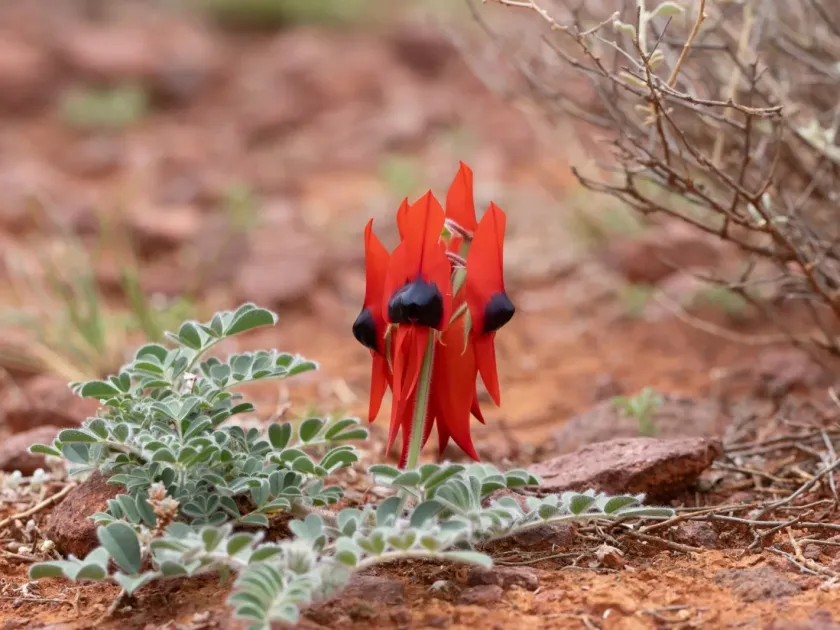
Description
Sowing dates
Sturt's Desert Pea (Swainsona formosa) belongs to the Fabaceae family and is a distinctive Australian native species. Known for its vivid red flowers and black center, it is highly valued as a specialized horticultural crop in arid-climate gardens.
Propagation begins with seeds that possess a hard, waterproof seed coat. To achieve high germination rates, growers must perform mechanical scarification or treat the seeds with near-boiling water to soften the outer layer and allow hydration.
The planting medium should be highly porous, typically a sandy or gravelly mix with minimal organic matter. Proper drainage is the most critical factor during the initial sowing phase to prevent damping-off diseases.
Growth temperature is essential for development, with seeds requiring warm soil to sprout effectively. Consistent temperatures between 20°C and 25°C are ideal for the best seedling survival rate in a controlled nursery environment.
Due to its deep taproot, the plant resents disturbance. Seeds should be sown directly into biodegradable pots or final containers, minimizing the need for transplanting, which often results in root shock and failure.
Growing requirements
This species requires high light intensity to thrive. It is an obligate sun-lover and will not perform well in partial or full shade, which leads to weak stems and a lack of floral production.
Soil structure is paramount; the plant demands excellent drainage. Heavy clay soils are unsuitable and will almost certainly lead to root rot, which is the leading cause of plant mortality in temperate regions.
Regarding irrigation, less is definitely more. The soil should be allowed to dry out completely between watering sessions. During cooler months or periods of low light, irrigation should be reduced to an absolute minimum.
The climate requirement is strictly arid or semi-arid. High humidity is detrimental to the health of Swainsona formosa, as it promotes foliage diseases and stresses the plant, which is evolutionarily adapted to dry conditions.
Nutritional needs are modest. Since it is a legume, it has some nitrogen-fixing capacity; therefore, heavy fertilization is unnecessary and potentially harmful. A very light application of low-phosphorus fertilizer is sufficient during active growth.
Main diseases and pests
Root rot caused by fungal pathogens remains the primary threat to the species. It is directly linked to waterlogging, poor soil aeration, and low temperatures, which create a hostile environment for the desert-adapted root system.
Aphids are common pests that target the soft, succulent new growth. They can multiply rapidly, weakening the plant and potentially transmitting viruses, so frequent monitoring during the growing season is essential.
Powdery mildew is a frequent issue in environments with poor air circulation or fluctuating humidity. Maintaining proper spacing between plants and ensuring good airflow can mitigate this risk significantly.
Spider mites can become a nuisance during hot, dry spells. They thrive in low-humidity conditions and quickly cause chlorosis on the leaves, leading to premature defoliation if left unchecked.
Soil-borne nematodes can hinder root function and stunt overall plant growth. Using sterilized potting mixes and avoiding over-watering helps in maintaining a healthy root environment and protecting the plant from these pests.