
Dendrosicyos socotranus
Dendrosicyos socotranus
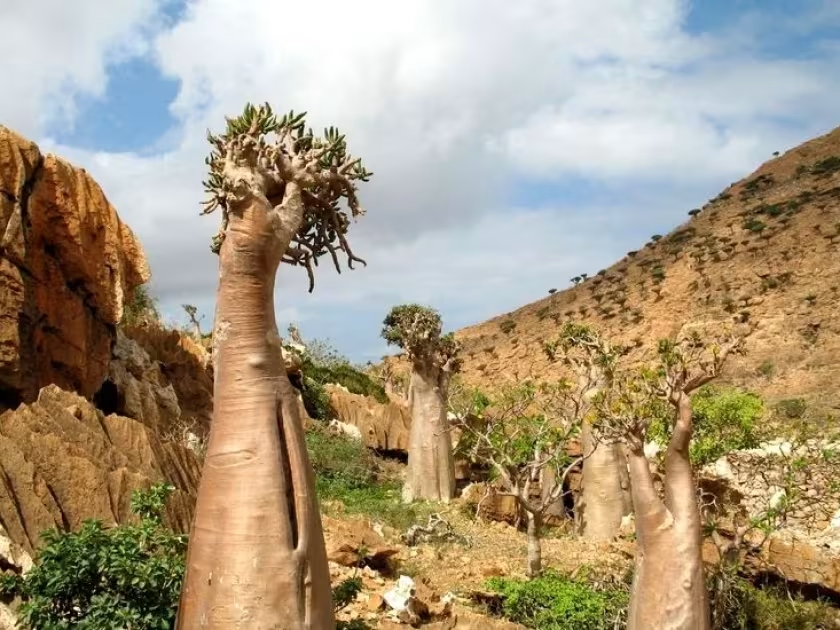
Description
Sowing dates
Propagation of Dendrosicyos socotranus is primarily achieved through seeds, which require specific heat treatments. For successful germination, soil temperatures should be maintained between 25-30 degrees Celsius.
Seeds should be sown in a highly porous, well-draining mineral substrate that mimics the limestone habitats of Socotra. Excessive moisture during the germination phase is fatal to the delicate seedlings.
Growth from seed is notoriously slow, requiring long-term monitoring and patience. The use of heating mats during the early developmental stages can significantly improve the success rate of germination.
Once seedlings develop true leaves, they should be transplanted into individual pots. It is crucial to handle the seedlings with extreme care to prevent root damage, as the plant is sensitive to transplant stress.
Because the species is rare, seed availability is limited. Cultivation is currently restricted to botanical gardens and private collections, focusing on preserving the genetic integrity of the plant.
Growing requirements
Dendrosicyos socotranus is a remarkable member of the Cucurbitaceae family, standing out as a succulent tree. Its biological strategy involves storing water in its thickened, fleshy trunk to survive arid conditions.
The plant requires full sun exposure and high temperatures to thrive. In non-native environments, it must be grown in controlled greenhouse settings to mimic the climate of its natural island habitat.
Soil requirements involve a substrate rich in drainage materials such as pumice, perlite, and coarse sand. Nutritional needs are low, as the plant is adapted to nutrient-poor rocky environments.
Watering practices must be strictly controlled, allowing the soil to dry out completely between sessions. During the winter dormancy phase, water should be withheld to prevent rot in the root system.
Adequate ventilation is necessary to prevent the buildup of stagnant humidity around the foliage. Good air circulation is essential for mimicking the breezy conditions of its native landscape.
Main diseases and pests
Root rot is the most significant threat to the health of the cucumber tree, usually resulting from overwatering or inadequate soil drainage. Once rot sets in, it is difficult to reverse due to the fleshy nature of the stem.
Spider mites are common pests in greenhouse conditions, particularly during hot and dry weather. Regular misting or the use of mild miticides can help keep infestations under control without harming the plant.
Powdery mildew can occur if air circulation is poor or if ambient humidity levels rise unexpectedly. Keeping the plant in a dry, airy environment is the best preventive measure against this fungus.
Aphids can target new vegetative growth, causing distorted leaf development. Early detection is key, as the plant's succulent tissues can be easily damaged by systemic pest control chemicals.
Mechanical damage to the succulent trunk can expose the plant to opportunistic bacteria. Using clean, sharp tools and ensuring sterile conditions during any handling is vital to the plant's longevity.