
Deckenia nobilis
Deckenia nobilis
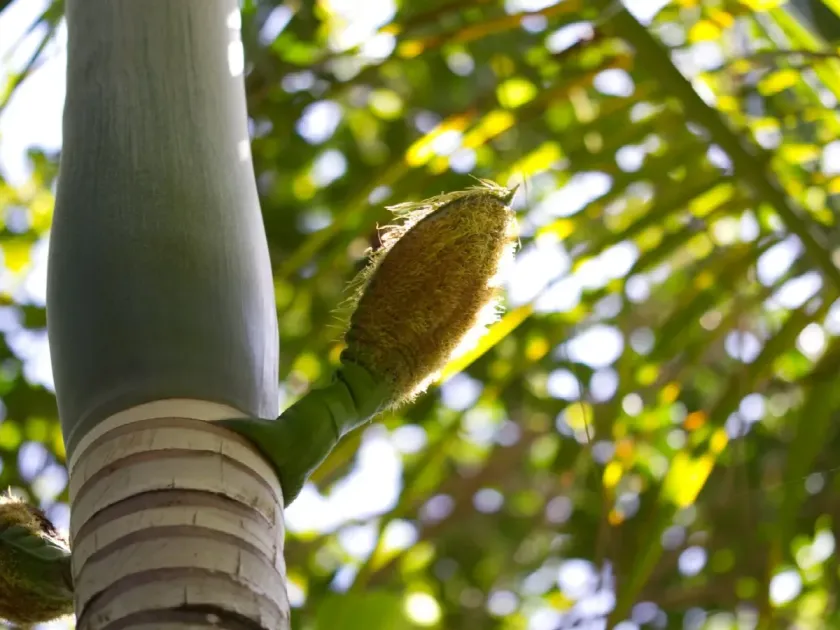
Description
Growing requirements
Deckenia nobilis is a magnificent palm species belonging to the Arecaceae family. It is endemic to the Seychelles, where it inhabits tropical rainforests and rocky mountainous terrain.
The plant requires a strictly tropical climate with consistent temperatures. It thrives in environments where the temperature does not drop below 20°C, making it suitable for glasshouses in cooler regions.
Soil requirements involve a rich, well-draining medium. Because the roots are prone to rot, ensuring that excess water can escape from the container or planting site is essential for long-term health.
High relative humidity is necessary to maintain the vibrancy of the foliage. In indoor settings, misting or the use of automated humidification systems is highly recommended for optimal physiological activity.
Regarding light, Deckenia nobilis appreciates bright, indirect light. While mature specimens can tolerate exposure to stronger light, seedlings should be shielded from intense, direct sun to avoid leaf burn.
Main diseases and pests
Common pests affecting this species include scale insects and mealybugs, which tend to congregate in the leaf axils. If left untreated, these pests can severely weaken the palm.
Fungal diseases are prevalent in environments with stagnant air and excessive moisture. Leaf spot and root rot are the primary concerns for growers maintaining these plants in confined spaces.
Nutrient deficiencies can occur if the palm is planted in inadequate soil. Specifically, a lack of potassium or magnesium can lead to yellowing of the older leaves, impacting the palm's overall vigor.
Integrated pest management, including regular inspection and the use of horticultural oils, is effective in controlling infestations before they cause irreversible damage to the palm's canopy.
Good cultural practices, such as proper spacing and strict irrigation control, are the most effective preventive measures against the majority of infectious threats that plague tropical palms.
Harvesting
The primary agricultural use of Deckenia nobilis involves the consumption of its apical bud, popularly referred to as "millionaire's salad" or palm cabbage. This delicacy is highly prized for its crisp texture.
Harvesting the apical bud is a terminal process for the palm, as it halts further growth and eventually kills the plant. Consequently, harvesting is strictly regulated in its native habitat.
Beyond the culinary aspect, the seeds are harvested for propagation purposes. Seeds are typically collected when the fruit reaches its mature bright red or orange coloration.
Propagation requires specific techniques: seeds must be kept moist at all times, as they quickly lose viability once they dry out. They require a warm germination bed to sprout successfully.
Strategic management of the palm population is essential. Cultivation is focused more on ornamental use and species conservation rather than large-scale food production due to the slow growth rate of the plant.