
Davilla rugosa
Davilla rugosa
Description
Growing requirements
Davilla rugosa is a woody perennial liana belonging to the Dilleniaceae family. It is native to the tropical regions of South America, with its primary distribution centered in the forest ecosystems of Brazil and neighboring countries.
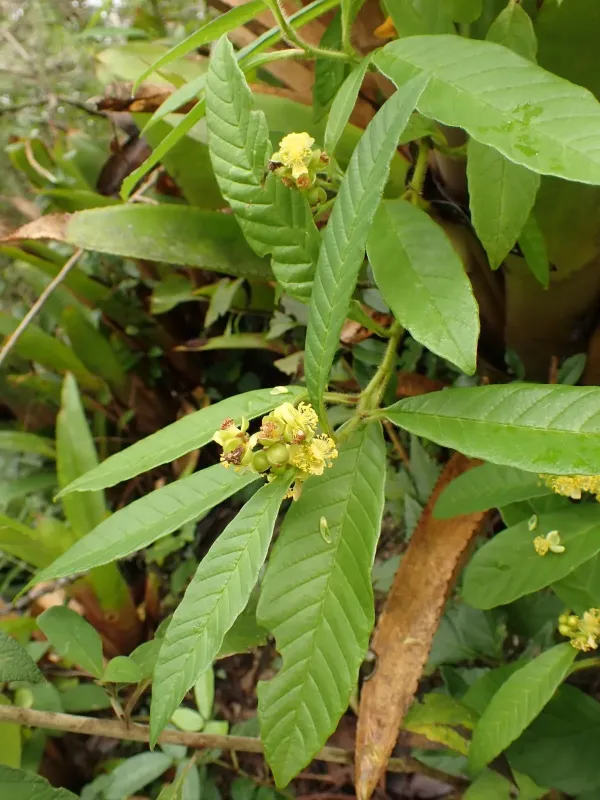
The plant is botanically distinguished by its remarkably rough, sandpapery leaves. Historically, these leaves have been utilized by indigenous populations as a natural abrasive for polishing wood, bone, and metal, a testament to their mechanical toughness.
Climate-wise, the species thrives in tropical environments characterized by high humidity and consistent warmth. It is naturally adapted to the high-canopy forest structure, benefiting from bright filtered light while requiring protection from extreme heat.
Soil requirements for Davilla rugosa involve well-drained, nutrient-rich substrates that mimic the floor of a tropical rainforest. A slightly acidic to neutral soil pH is considered optimal for healthy physiological development of the vine.
Economic and research interests are focused on the phytochemical profile of the plant. It contains significant concentrations of flavonoids and tannins, which are currently being studied for their potential applications in pharmacological and cosmetic industries.
Main diseases and pests
The primary health concerns for Davilla rugosa involve fungal pathogens that affect the foliage under conditions of poor ventilation. Excess moisture in the root zone can lead to root rot, which is a major threat to its survival.
Pests such as scale insects and aphids may occasionally infest the plant, particularly in sheltered growing conditions. These pests feed on sap, which can stunt the growth of the liana if left unmanaged for extended periods.
The encroachment of more aggressive vegetation often threatens Davilla rugosa in its native habitat. Sustainable cultivation practices must include regular weeding and competitive management to ensure the vine receives adequate resources.
Deforestation and habitat fragmentation are the largest threats to the natural population of this species. Protecting the biodiversity of its origin sites is crucial for maintaining genetic stocks for future agricultural use.
Integrated pest management protocols for this crop rely heavily on biological control agents. The use of chemical pesticides should be approached with caution to avoid disturbing the sensitive ecological balance of the plant's environment.