
Davilla kunthii
Davilla kunthii
Description
Growing requirements
Davilla kunthii is a prominent woody vine belonging to the Dilleniaceae family, naturally occurring across the tropical regions of Central and South America. It serves as a vital component of local biodiversity, utilizing its climbing habit to navigate through the complex layers of tropical rainforests and savanna biomes.
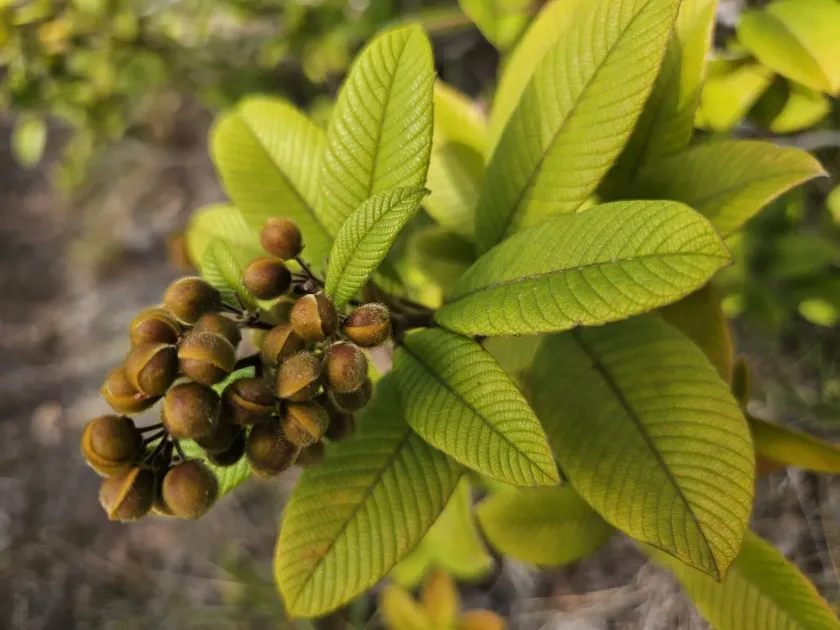
The botanical structure of the plant is defined by its tough, sandpaper-like leaves, a feature that has historically earned it the common association with cleaning and abrasive tools. Its stems are remarkably strong and flexible, allowing the vine to reach considerable heights by using host trees as support.
Climate requirements for this species are centered on constant, warm temperatures and consistent moisture levels. It thrives in well-drained, nutrient-rich tropical soils, showing a particular resilience to the acidic conditions often found in the soil profiles of its native Amazonian habitat.
In agricultural settings or botanical collections, successful cultivation of Davilla kunthii requires providing adequate vertical structure for the vines to climb. Proper soil management and light shade provision during the initial growth stages are critical for establishing a healthy and long-lasting plant.
Beyond its physical utility, the plant is of growing interest in ethnobotany and modern medicine. Extracts from the foliage and stems are under investigation for their potential therapeutic applications, reflecting a sustainable way to utilize this plant species for pharmacological and cosmetic development.
Main diseases and pests
The primary threat to the stability of Davilla kunthii populations is the rapid transformation of land for agricultural and urban development. Deforestation and habitat fragmentation limit the distribution area and disrupt the symbiotic relationships within the ecosystem.
In cultivation environments, fungal infections pose a significant risk, particularly when humidity levels exceed optimal thresholds. Fungal pathogens can cause leaf spots and stunted development, necessitating the implementation of precise climate control and monitoring systems.
Various insect pests, including sap-sucking arthropods like scale insects, present a persistent threat to young plant development. These pests cause chlorosis and overall decline, which can lead to reduced plant vigor if infestations are not managed with timely control measures.
Effective management against these threats relies on integrated pest management (IPM) strategies. This approach emphasizes the early detection of symptoms and the use of targeted biological controls to prevent widespread damage without relying excessively on synthetic chemical inputs.
Furthermore, maintaining the health of Davilla kunthii requires strict adherence to sanitation protocols within the growing area. Removing debris and infected plant tissues ensures that the overall hygiene of the crop is maintained, minimizing the potential for re-infection and outbreaks.