
Dove tree
Davidia involucrata Baill.
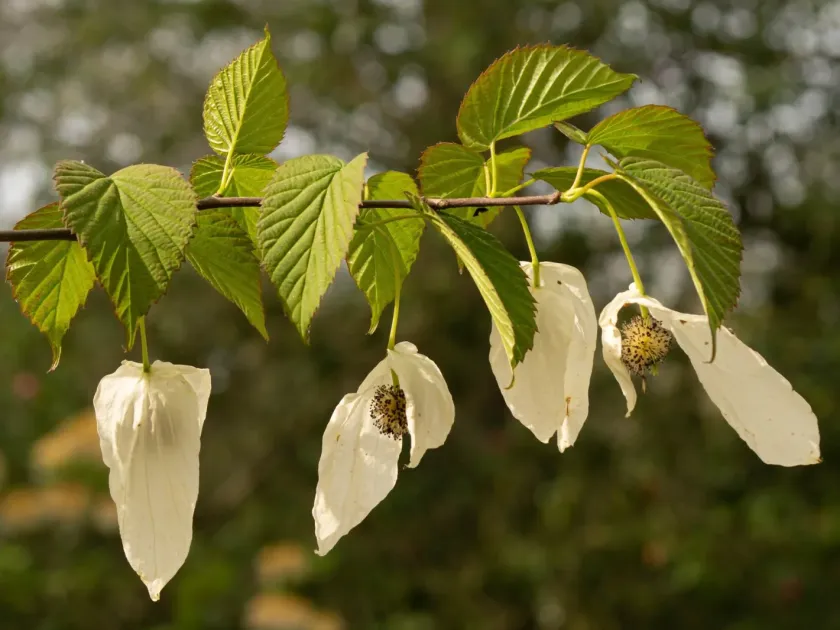
Description
Sowing dates
Propagating the Dove tree is a challenging task due to the complex nature of its seeds, which possess a deep internal dormancy. Germination often requires a stratified period of up to 18 months under controlled temperature fluctuations.
Direct sowing in the autumn is the most common method for those aiming to work with seeds, allowing the winter chill to naturally break the dormancy cycle. However, success rates for seed propagation remain notoriously low.
Commercial nurseries prefer vegetative propagation through softwood cuttings taken during the early summer months. This method ensures that the young plants inherit the exact characteristics of the parent tree and mature faster.
Using mist propagation systems and rooting hormones is essential for achieving a high success rate with cuttings. Maintaining constant moisture and high humidity levels in the greenhouse is critical during the rooting process.
Seedlings must be grown in containers for the first few years. This controlled environment allows for optimal root development and provides the necessary protection against harsh environmental factors before permanent transplanting.
Growing requirements
The Dove tree, also known as the handkerchief tree or ghost tree, belongs to the Nyssaceae family. It is a stunning deciduous specimen prized for its unique, large, white floral bracts that appear in late spring.
This tree thrives in deep, rich, and well-drained loamy soils. It has a preference for slightly acidic to neutral pH levels. Ensuring the site is well-drained is crucial, as the tree cannot tolerate prolonged waterlogging.
The ideal planting location for a Dove tree is a site protected from strong, desiccating winds and intense mid-day sun. Partial shade is generally considered the best condition for young specimens to flourish.
Watering requirements are high, particularly during the first few years of growth and in periods of summer drought. Consistent moisture helps support the tree's vigorous development and prevents leaf scorch.
Regarding climate, the tree is moderately hardy but can be susceptible to late spring frosts which may damage emerging buds. Planting it in a sheltered garden position can help mitigate these risks significantly.
Main diseases and pests
The Dove tree is generally robust and lacks significant natural enemies. However, in poorly ventilated or excessively humid conditions, fungal infections can cause minor foliage blight or stem issues.
Insect pests are rarely a major problem, though aphids may occasionally colonize tender spring growth. Horticultural oils or mild insecticidal soaps are usually sufficient to control any localized infestations.
Proper pruning is essential to maintain a healthy structure and prevent crowded branches, which are more susceptible to fungal pathogens. Always remove dead or crossing limbs using sanitized tools to maintain tree health.
Winter damage to the bark by rodents can be a concern for young trees. Wrapping the trunk with protective guards during the winter months is a standard practice to prevent girdling damage.
Monitoring the tree for signs of nutrient deficiency is also part of professional care. Chlorosis, often manifesting as yellowing leaves, can indicate issues with soil pH that require prompt corrective action.