
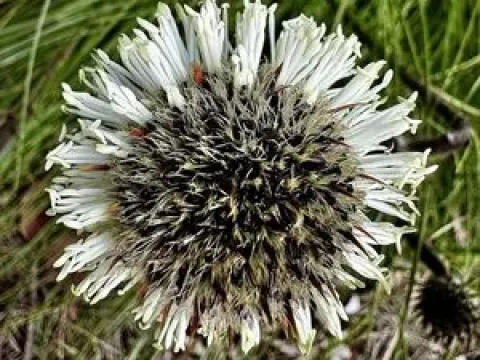
Dasypogon
Dasypogon
Dasypogon is a genus of perennial plants native to Australia, belonging to the Dasypogonaceae family, often recognized for its distinct, slow-growing grass-like appearance.
What the section contains


Dasypogon
Propagation is typically carried out through seeds, which require specific temperature cycles for successful germination, mimicking the natural conditions of their native habitat.
Seedlings are best grown in well-draining, sandy substrates to prevent the moisture levels from becoming excessive, which could damage the delicate root hairs.
In a controlled nursery environment, maintaining a steady temperature is essential during the early stages of development to ensure strong establishment.
For more mature specimens, dividing the rhizome is a viable method of propagation, provided the parent plant is robust and healthy enough to recover from the intervention.
The plant thrives in regions with excellent light availability, as it is naturally adapted to open areas where sunlight exposure is maximized throughout the day.
Soil requirements focus on high aeration and low organic matter content, as Dasypogon is not tolerant of waterlogged conditions or nutrient-rich heavy soils.
Minimal watering is required once the plant is established, as its physiological structure is highly efficient in managing water use during dry seasons.
Climatic preferences include temperate conditions; extreme frost can damage the foliage and cause physiological stress, requiring protection in colder latitudes.
Gardeners should ensure that the planting site offers protection from strong, cold winds while maintaining good air circulation to keep the leaves healthy and clean.
Fungal pathogens associated with high humidity are the primary threat, often manifesting when the planting density is too high or drainage is inadequate.
Pests, particularly sucking insects like mites or scale, may become an issue if the plant's natural defense mechanisms are weakened by poor cultural conditions.
Prevention involves keeping the plant free of debris and ensuring that the crown remains dry, especially during periods of high ambient humidity or rainfall.
If symptoms of disease appear, immediate isolation of the affected plants and the application of targeted fungicides are necessary to prevent further spread.
Regular sanitation of the gardening area and the use of clean equipment contribute significantly to the overall health and longevity of the Dasypogon specimens.