
Dasypogon obliquifolius
Dasypogon obliquifolius
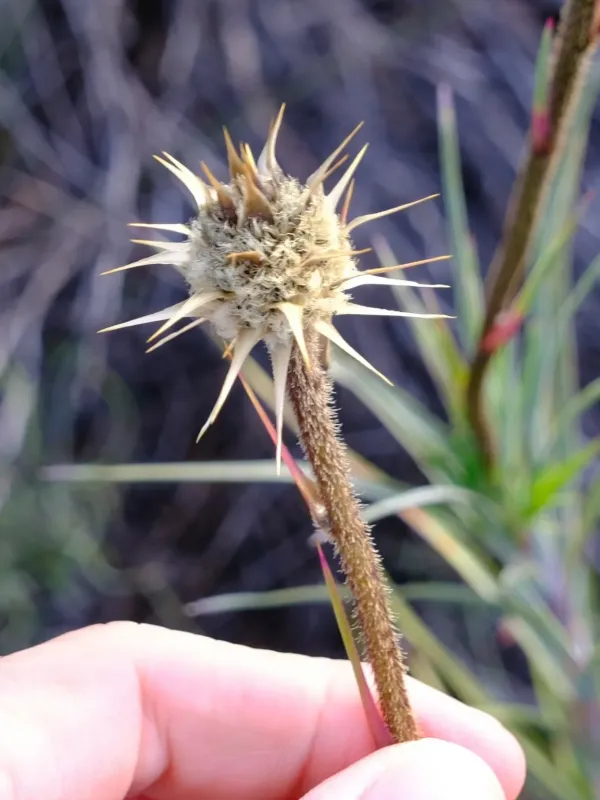
Description
Growing requirements
Dasypogon obliquifolius is a perennial plant belonging to the Dasypogonaceae family. This species is native to the southwestern parts of Australia, where it is found in specific, nutrient-poor, and dry habitats.
Botanically, it is a slow-growing evergreen plant characterized by a short stem topped with a dense rosette of rigid, oblique-angled leaves. Its root system is exceptionally efficient at extracting moisture from sandy soils.
The cultivation of this plant requires well-drained, sandy, or gravelly substrates. Ensuring proper soil aeration is critical, as the roots are highly susceptible to rot if they remain in saturated soil for extended periods.
Dasypogon obliquifolius thrives in full sun, reflecting its adaptation to open Australian landscapes. It is sensitive to frost, making it suitable for cultivation primarily in warm temperate or subtropical climates.
In terms of practical application, it is used as an ornamental specimen in xeriscaping and botanical collections. Its architectural form makes it a desirable choice for designers looking to incorporate distinctively Australian aesthetics into landscape projects.
Main diseases and pests
The primary threat to the health of the plant is root rot caused by fungal pathogens that flourish in poorly drained soils or high-humidity environments.
Common horticultural pests, such as spider mites and scale insects, may infest the leaves, particularly when the plant is grown in confined greenhouse conditions with limited airflow.