
Dalbergia tucurensis
Dalbergia tucurensis
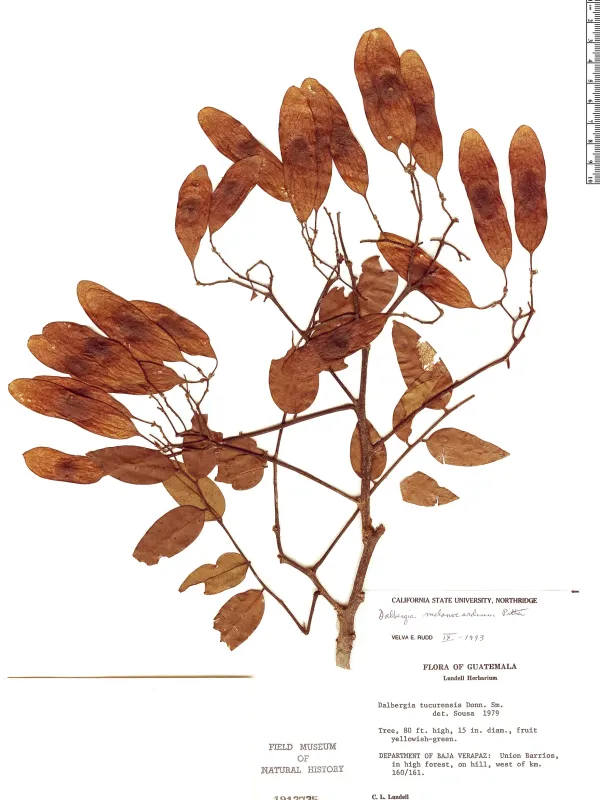
Description
Growing requirements
Dalbergia tucurensis is a species belonging to the Fabaceae family, widely recognized for its high-density timber. It acts as a structural component of tropical ecosystems in Central America.
The tree originates from the forests of Guatemala and surrounding regions. It has adapted to the specific climatic conditions of the tropical belt, favoring high-humidity zones with consistent warmth.
Successful cultivation requires deep, well-draining soils rich in organic matter. Proper soil structure is critical for root development and overall tree longevity in commercial plantations.
The species thrives under direct sunlight and requires stable high temperatures year-round. It is sensitive to thermal fluctuations and must be protected from sudden temperature drops during its establishment phase.
Economically, the wood of this species is highly valued for its aesthetic grain, durability, and resistance to environmental wear, making it a premium choice for cabinet making and fine carpentry.
Main diseases and pests
Root rot caused by soil-borne fungal pathogens represents a primary threat, particularly in nursery environments where moisture management is poorly controlled.
Leaf-eating insects are common pests that can significantly stunt the growth of young saplings, requiring active management programs to ensure adequate development.
Stem-boring beetles present a critical danger to mature trees, as they compromise the structural integrity and aesthetic quality of the heartwood, reducing its market value.
Competition from aggressive tropical invasive flora can suppress the growth of Dalbergia seedlings, necessitating regular weeding and maintenance cycles during the early years.
Integrated pest management strategies focusing on biological control are recommended to maintain healthy tree stands and ensure sustainable production yields over time.