
Dalbergia spinosa
Dalbergia spinosa
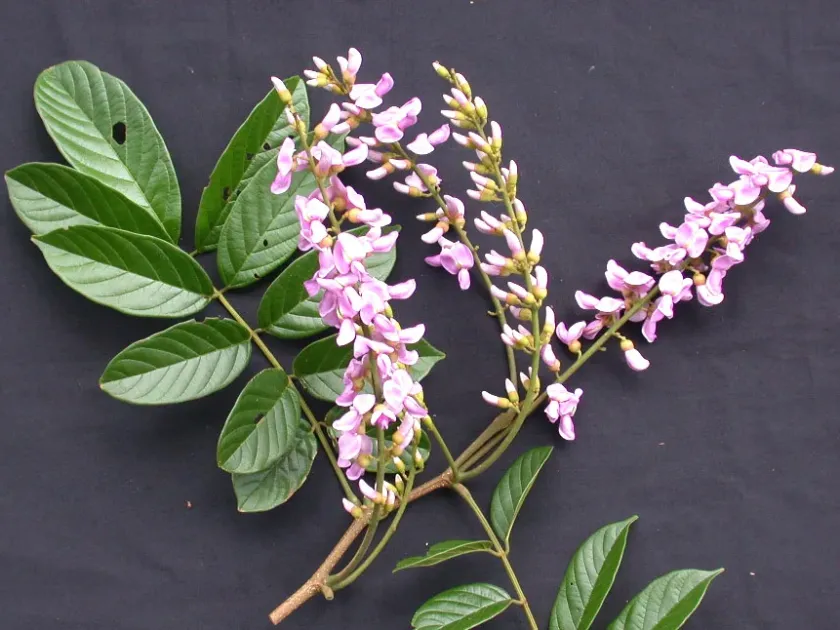
Description
Growing requirements
Dalbergia spinosa is a perennial shrub or small tree belonging to the Fabaceae family. This species is native to the coastal regions and mangrove forests of South and Southeast Asia, showing a remarkable physiological adaptation to saline environments and tidal influence.
The plant is biologically characterized by its spines, which are modified branches serving as a defensive mechanism against herbivores in the dense coastal vegetation. Its compound leaves are optimized for photosynthesis in high-humidity environments, allowing the plant to thrive in tropical climates.
Regarding soil and site requirements, Dalbergia spinosa prefers alluvial, muddy, or sandy substrates that are frequently inundated by seawater. The plant requires a substrate that allows for root respiration while maintaining high moisture levels, typical of mangrove ecosystem niches.
Climatic requirements for this species are strictly tropical. It cannot tolerate freezing temperatures, and it exhibits optimal growth in areas where average temperatures remain consistent throughout the year. Humidity is a critical factor, as the species relies on atmospheric moisture to maintain turgor pressure.
Economically and ecologically, this plant is primarily utilized for coastal stabilization. Its dense root network is highly effective at binding soil, which helps mitigate erosion and protects vulnerable coastlines from the impact of currents and tidal waves.
Main diseases and pests
The primary threats to Dalbergia spinosa include habitat loss due to land conversion for coastal development and aquaculture projects. As mangroves are cleared, the specific niche required for this species disappears, leading to localized population declines.
Pest pressures include various tropical wood-boring insects that target the stems, potentially weakening the mechanical structure of the plant. Such infestations can lead to premature structural failure if the plants are stressed by environmental changes.
Fungal diseases are a significant concern, particularly during periods of water stagnation or pollution. These pathogens often affect the root system, leading to necrosis and preventing the plant from absorbing necessary nutrients from the tidal environment.
Management of these threats in reforestation projects involves ensuring proper water flow and maintaining the natural salinity balance. Preventing the accumulation of debris and pollutants around the root zone is crucial for long-term health and disease prevention.
Monitoring the health of Dalbergia spinosa involves periodic visual inspections for signs of yellowing leaves or stem lesions. Implementing sustainable management practices that protect the overall health of the mangrove ecosystem remains the best defense against pests and diseases.