
Dalbergia pinnata
Dalbergia pinnata
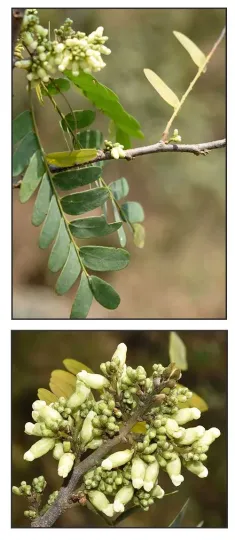
Description
Sowing dates
Dalbergia pinnata is a perennial woody plant belonging to the Fabaceae family. Propagation primarily occurs through seeds, which are typically sown at the onset of the rainy season to ensure optimal soil moisture levels for germination.
For commercial cultivation, seed scarification is highly recommended to break dormancy and ensure a uniform germination rate across nursery beds.
Seedlings are transplanted to their permanent site when the rainy season is well-established, reducing the stress on the root system and promoting faster initial growth.
Planting density is adjusted based on the specific end goal: tighter spacing is used for timber production to encourage apical growth, while wider spacing is preferred for biomass or intercropping.
Preparation of the planting site includes deep cultivation and the incorporation of organic amendments to provide a nutrient-rich foundation for the young saplings.
Growing requirements
This species is strictly tropical and requires consistent warmth throughout the year. It does not tolerate freezing temperatures, which can cause severe damage or death to the plant tissue.
Well-drained soil is non-negotiable for Dalbergia pinnata. It thrives in fertile loamy soils but is highly intolerant of waterlogged conditions that lead to root rot.
Full sun exposure is required for vigorous development. Shade tolerance decreases as the plant matures, making open-field cultivation the most efficient approach.
The ideal soil pH is slightly acidic to neutral. Regular monitoring of nutrient levels is essential, especially nitrogen, although the species itself contributes to soil enrichment through its symbiotic relationship with nitrogen-fixing bacteria.
While mature trees exhibit some drought tolerance, consistent moisture during the first few years of establishment is critical for successful long-term growth.
Yield
The primary economic value of Dalbergia pinnata lies in its timber, which is recognized for its durability and aesthetic appeal in fine carpentry and construction.
Beyond timber, the plant is utilized in various traditional medicinal practices, as extracts from its bark and leaves have shown potential antimicrobial properties.
In agroforestry systems, the plant serves as a vital nitrogen-fixer, significantly improving soil fertility and creating a more productive environment for surrounding crops.
Biomass from pruned branches and foliage can be repurposed as high-quality organic mulch, assisting in moisture retention and weed suppression within the plantation.
Sustainable harvest strategies are essential to manage long-term productivity, as the wood quality improves significantly with the maturity of the tree.
Main diseases and pests
Fungal pathogens represent the most significant threat to the culture, particularly in regions with high rainfall and inadequate drainage systems, leading to root and stem decays.
Boring insects represent a major nuisance, as they penetrate the bark and inner wood, creating structural flaws that reduce the commercial value of the timber.
Leaf-eating pests can cause significant defoliation, which hampers the photosynthetic capacity of the plant and slows down the accumulation of woody biomass.
Integrated Pest Management (IPM) is strongly advised, focusing on early detection and the use of resistant planting material or biological control agents.
Regular monitoring and thinning of the canopy help improve airflow, which significantly reduces the humidity levels that favor the spread of fungal diseases.