
Dalbergia pervillei
Dalbergia pervillei
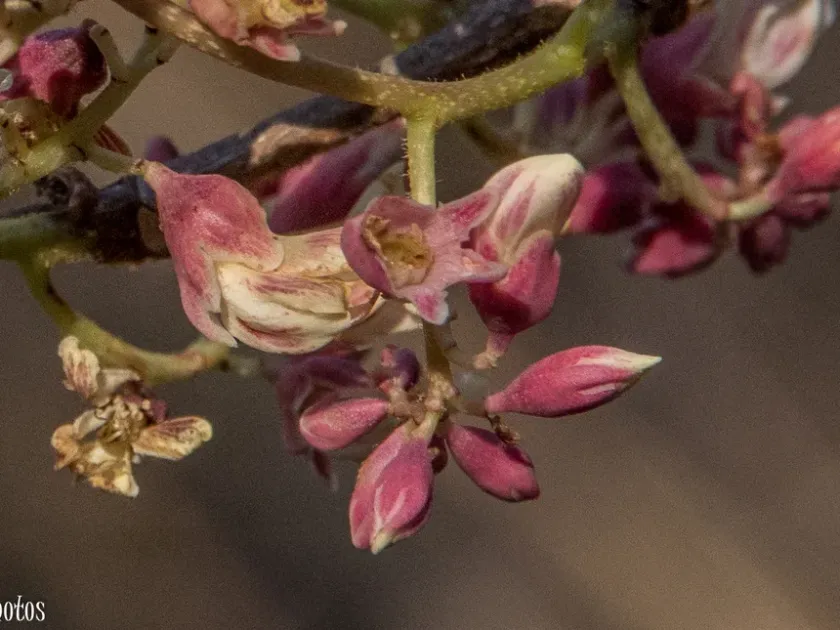
Description
Growing requirements
Dalbergia pervillei is a distinctive woody plant belonging to the Fabaceae family. Native to Madagascar, this species is highly valued for its slow growth rate and the exceptional quality of its wood, which is often sought after in international timber markets for specialized crafting purposes.
The culture thrives in well-drained, sandy, or loamy soil types that offer good aeration for the root system. It is specifically adapted to tropical climates where there is a clear distinction between wet and dry seasons, allowing it to withstand prolonged periods of drought without significant damage to its physiology.
For successful establishment, Dalbergia pervillei requires full sun exposure and consistent tropical temperatures. It is sensitive to frost and extreme cold, making it unsuitable for cultivation in temperate climates unless grown in controlled greenhouse environments with strictly regulated humidity levels.
Agricultural practices involve careful monitoring of planting density to prevent competition for light and soil nutrients. Proper management of young specimens is crucial, requiring adequate irrigation during the first years of development to ensure the plant becomes well-anchored in the subsoil.
The primary economic use of this species is in the production of high-density, durable timber. The wood is prized for its aesthetic appeal, fine grain, and resistance to environmental stress, making it an essential resource for premium furniture making, decorative woodworking, and the manufacturing of traditional instruments.