
Dalbergia oliveri
Dalbergia oliveri
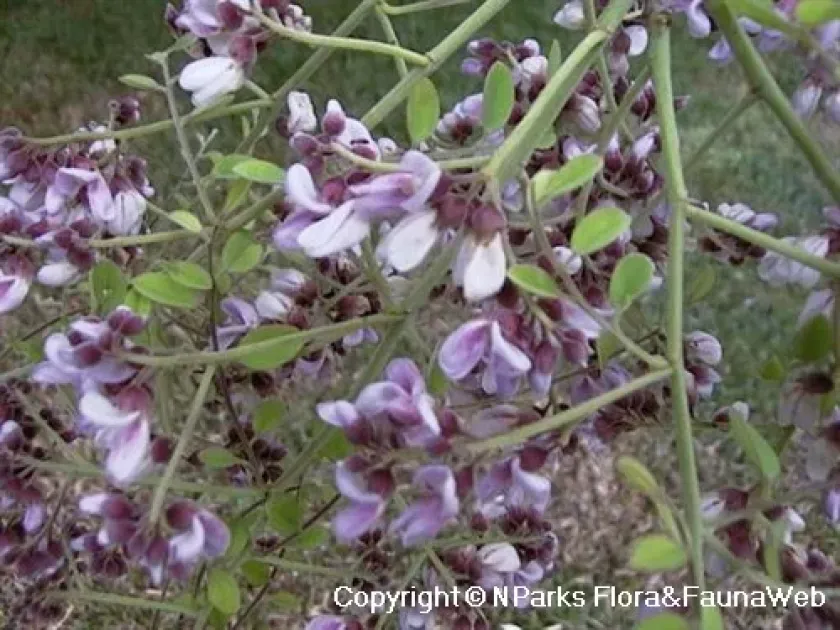
Description
Growing requirements
Dalbergia oliveri is a majestic deciduous tree belonging to the Fabaceae (legume) family. It is native to the tropical forests of Southeast Asia, specifically flourishing in countries like Myanmar, Thailand, Laos, and Vietnam.
The species requires a distinct tropical climate with well-defined wet and dry seasons. This climatic cycle is essential for the tree's growth rate and the development of its high-density, high-quality timber properties.
Regarding soil requirements, the tree performs best in well-drained, fertile loamy soils. It is highly sensitive to waterlogging, making proper drainage systems critical for establishing successful plantations.
Temperatures should remain consistently warm, preferably between 22°C and 30°C. While the mature trees are sun-loving, the young saplings require partial shade during their first years to protect them from excessive solar radiation.
Agricultural practices involve nitrogen-fixing management and regular monitoring of soil health. Since it is a legume, it contributes positively to soil nitrogen levels, though supplemental organic fertilization is often used in industrial forestry.
Yield
The primary economic value of Dalbergia oliveri lies in its timber, commonly known as Burmese rosewood. The wood is prized for its dark, aesthetic streaks, exceptional hardness, and long-lasting durability.
Industrial applications include the production of high-end luxury furniture, intricate wood carvings, and premium-quality musical instruments. It is considered one of the finest hardwoods available on the global market.
Investment in this crop is a long-term endeavor, as it requires several decades to reach maturity. However, the premium prices commanded by the timber make it a highly sustainable and profitable long-term agricultural asset.
Beyond the timber harvest, the tree serves important ecological functions, including soil stabilization and carbon sequestration. Modern plantations often integrate these trees into agroforestry systems to enhance land productivity.
The final yield is quantified by the volume of usable heartwood produced per hectare upon reaching commercial maturity, which typically occurs after 50 years of growth under optimal care.
Main diseases and pests
Illegal logging and over-harvesting in natural habitats remain the primary threats to the species. Conservation initiatives are now strictly limiting the trade of wild-harvested wood, encouraging plantation-grown supplies.
Common biological threats include various wood-boring insects that can damage the tree's vascular system. In nursery settings, fungal root rot is the most common pathology resulting from poorly managed irrigation.
Environmental stressors such as extreme drought or fire are significant risks for young plantations. Establishing firebreaks and irrigation monitoring protocols is essential for protecting the crop throughout its life cycle.
Weed competition can significantly stunt the growth of young Dalbergia oliveri plants. Consistent manual or mechanical clearing around the base of the trees is necessary during the first three to five years of development.
Integrated Pest Management (IPM) is the recommended approach for dealing with pathogens. This involves periodic inspections, maintaining tree vigor through correct fertilization, and immediate isolation of any symptomatic plants.