
Dalbergia oblongifolia
Dalbergia oblongifolia
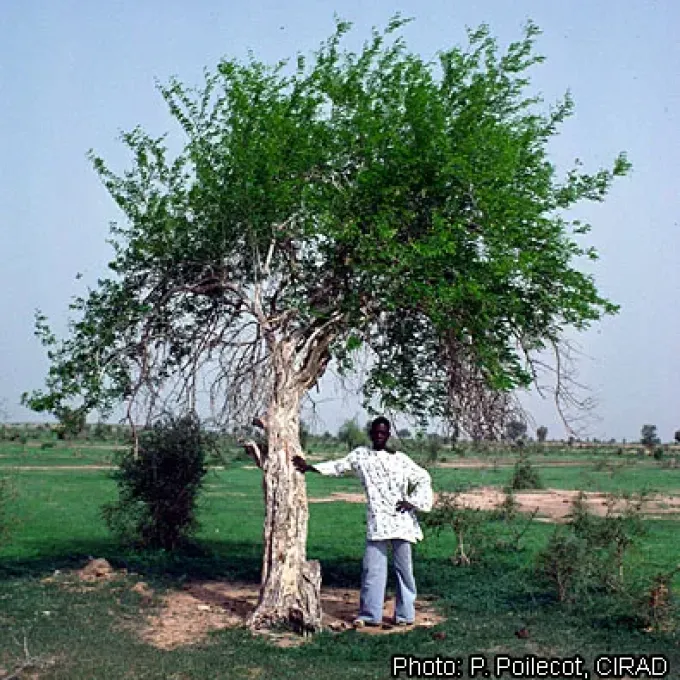
Description
Growing requirements
Dalbergia oblongifolia is a tree species belonging to the Fabaceae family. Native to tropical environments, it is recognized for its adaptation to warm and humid climates within its natural range.
The plant thrives in well-drained, nutrient-rich soils. It requires consistent levels of soil moisture and is sensitive to prolonged waterlogging, which can inhibit its growth and development.
Environmental conditions for optimal growth include stable tropical temperatures. The species benefits from significant sun exposure, which is vital for photosynthetic efficiency during the active growth phase.
Agricultural management involves monitoring soil pH, as the plant shows high productivity in slightly acidic to neutral substrates. Regular maintenance includes ensuring adequate space between individuals for proper air circulation.
The economic value of this species is largely tied to its timber. The wood is sought after in furniture manufacturing due to its hardness, durability, and resistance to decay, making it a high-value commodity.
Main diseases and pests
Major threats to Dalbergia oblongifolia include fungal pathogens that affect the bark and root systems in high-humidity environments, which can lead to significant physiological stress.
Pests, particularly wood-boring beetles, represent a serious challenge for forestry management. These insects can compromise the structural integrity of the timber if left unchecked.
Leaf-eating insects can cause defoliation, reducing the plant's ability to store energy. Implementing integrated pest management strategies is essential for maintaining the health of the plantation.
Nutrient deficiencies, particularly in degraded forest soils, can render the trees more susceptible to environmental diseases. Fertilizer application should be based on soil testing results.
Preventive measures include the removal of deadwood and the implementation of sanitation protocols to limit the spread of spores and pests throughout the cultivated area.