
Dalbergia hupeana
Dalbergia hupeana
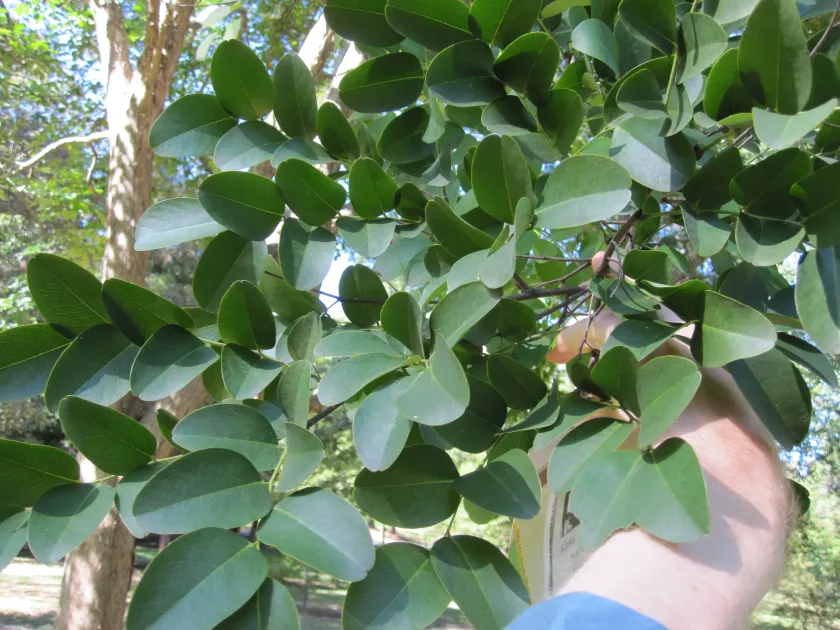
Description
Growing requirements
Dalbergia hupeana is a significant tree species belonging to the Fabaceae family. Originally native to China, this species has gained recognition for its exceptional timber quality and its role in sustainable reforestation projects.
The tree thrives in fertile, deep, and well-drained soils. While it exhibits tolerance to varied soil compositions, acidic to neutral loams provide the most favorable conditions for achieving maximum growth rates and structural integrity of the wood.
Climatic requirements focus on warm and humid conditions typically found in subtropical and temperate transition zones. Adequate rainfall during the active growth period is essential for the development of dense, high-quality timber fibers.
Proper agricultural management involves careful site preparation and weed suppression during the first three years of growth. Thinning is a critical practice to ensure adequate space, light penetration, and airflow for the developing trunks.
Economic utilization of Dalbergia hupeana is primarily industrial. The wood is highly valued for its hardness, durability, and resistance to wear, making it a preferred material for high-end furniture, flooring, tool handles, and decorative woodwork.
Main diseases and pests
Common biological threats include leaf-eating caterpillars and fungal pathogens that affect the bark in humid conditions. Integrated pest management, including regular inspection and maintaining proper spacing, is recommended to ensure forest health.