
Dalbergia foliosa
Dalbergia foliosa
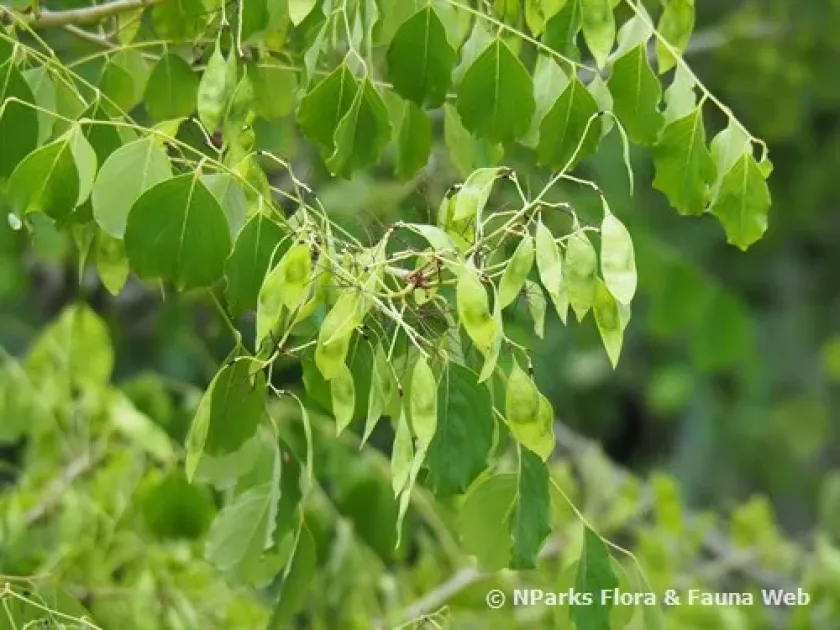
Description
Growing requirements
Dalbergia foliosa is a member of the Fabaceae family, commonly known for its dense foliage and nitrogen-fixing capabilities. It is native to tropical African regions where it thrives as a shrub or small tree. This leguminous species plays a vital role in local ecosystems by naturally improving soil fertility through symbiotic root bacteria.
Climate requirements for this species are centered around warm tropical conditions with consistent temperatures. It does not tolerate frost or cold stress, making it strictly a tropical crop. Ideally, it grows best in regions with a distinct rainy season that promotes rapid vegetative growth during the development phase.
Soil conditions must be characterized by excellent drainage. Dalbergia foliosa prefers sandy or loamy soils with a near-neutral pH. It is highly sensitive to waterlogged conditions, which can quickly lead to root decay, necessitating a site selection that avoids low-lying areas with poor drainage capacity.
Agronomic management involves regular weed control during the establishment phase, as the plant competes poorly with aggressive grasses in its early years. While it fixes nitrogen, occasional application of phosphorus during the juvenile stage helps to promote deeper and more resilient root system architecture.
In terms of хозяйственного (economic) use, the plant is primarily valued for its durable wood and its application in agroforestry. It serves as an excellent windbreak and soil stabilizer, effectively preventing erosion in degraded landscapes and contributing to the restoration of natural soil nitrogen cycles.
Main diseases and pests
The primary threats to Dalbergia foliosa are fungal pathogens that thrive in high humidity environments. Foliar diseases can cause premature leaf drop and impact overall tree vigor if not managed through proper crown ventilation and hygiene practices.
Pests that target the species include various leaf-feeding insects, such as caterpillars and aphids. These pests can significantly reduce the photosynthetic area, which is detrimental to younger trees that are still building their structural biomass and reserves.
Integrated pest management (IPM) is strongly recommended for large-scale cultivation. This approach focuses on monitoring population dynamics and utilizing biological controls or targeted, eco-friendly insecticides to avoid disrupting the local environmental balance.
Physical damage to the stem or main branches often serves as a primary entry point for opportunistic pathogens. Careless maintenance or improper pruning techniques should be avoided to ensure that the bark remains intact and capable of self-defense.
Sanitation practices are essential for preventing the spread of diseases. Any infected plant matter must be removed promptly and destroyed to prevent spores from spreading throughout the plantation. Maintaining proper spacing between individuals is key to improving airflow.