
Cypella coelestis
Cypella coelestis
Description
Sowing dates
Planting Cypella coelestis bulbs in the open ground should be performed in the spring, once the danger of late frost has passed and the soil has warmed up.
The planting depth should be approximately 5 to 8 centimeters, depending on the bulb size and the texture of the growing medium.
In colder regions, it is recommended to start bulbs in containers indoors during early spring to ensure a longer growing season and earlier blooms.
Spacing between individual plants should be at least 15 to 20 centimeters to allow for proper airflow and to prevent fungal issues related to crowding.
Propagation via seeds is also possible; seeds should be sown in trays during the early spring months under controlled indoor temperatures around 20 degrees Celsius.
Growing requirements
Cypella coelestis is a member of the Iridaceae family and is a bulbous perennial species originating from South America.
This plant thrives in sunny locations that are sheltered from harsh winds, as it is relatively delicate and requires protection from extreme weather conditions.
The soil must be light, well-draining, and rich in organic matter to prevent waterlogging, which is highly detrimental to the health of the bulbs.
During the active growth phase, moderate irrigation is essential, but the substrate must be allowed to dry out significantly during the plant's dormant period.
Temperature management is critical, with an ideal growth range between 18 and 25 degrees Celsius, requiring winter protection in temperate climates.
Yield
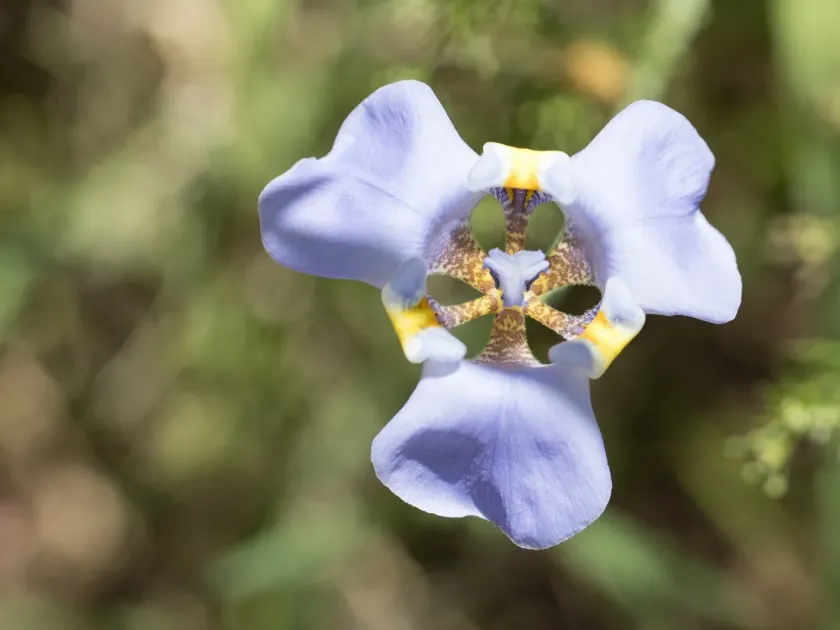
The productivity of this cultural plant is measured by the quality and frequency of its unique sky-blue blossoms during the summer months.
Each mature bulb is capable of producing multiple stems, with flowers that bloom in succession, offering a distinct aesthetic value for garden displays.
Proper maintenance ensures the healthy development of several offset bulbs (bulblets) per season, allowing for effective natural vegetative propagation.
Optimal results are achieved in soils that are balanced with appropriate nutrients, specifically ensuring adequate potassium for bulb development.
This species is highly sought after by collectors of exotic bulbs and professional landscape designers looking for rare floral accents.
Main diseases and pests
The primary threats to Cypella coelestis include various fungal pathogens, which typically manifest in poorly drained soils with excessive moisture levels.
Fusarium wilt is a common concern that requires strict sanitation measures, including the immediate removal of infected bulbs and soil sterilization.
Thrips are a significant pest that can damage the foliage, reducing the overall vigor of the plant and diminishing the bulb's ability to store energy.
Slugs and snails frequently target young sprouts in the spring, necessitating the use of physical barriers or targeted pest management strategies.
Preventative care, such as regular soil inspection and the application of fungicides, is crucial for preserving the health of a high-value collection.
Harvesting
Harvesting of the bulbs occurs in the autumn once the foliage has naturally turned yellow and withered, marking the plant's entry into dormancy.
Bulbs must be carefully lifted, cleaned of debris, and dried in a well-ventilated, shaded area to prevent damage from heat or humidity.
Storage should be conducted at cool temperatures, ideally between 5 and 10 degrees Celsius, using dry peat or sand to protect the bulbs.
Seed harvesting should be carefully monitored, collecting capsules before they fully dehisce to prevent the loss of genetic material.
Organizing and labeling stored bulbs according to their specific variety ensures the longevity and purity of the cultivated stock for the next season.