
Cynorkis gibbosa
Cynorkis gibbosa
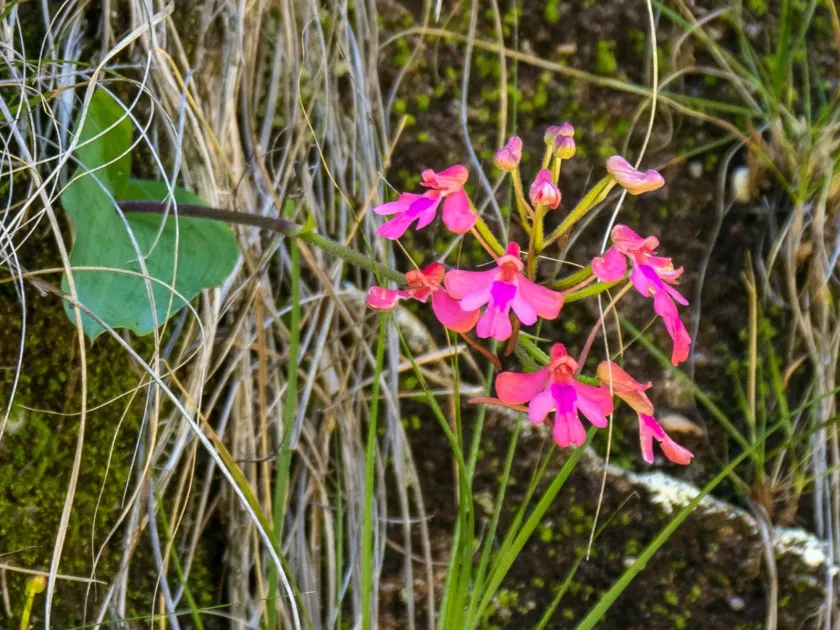
Description
Growing requirements
Cynorkis gibbosa is a perennial herbaceous plant belonging to the Orchidaceae family. As a terrestrial orchid, it exhibits specific growth patterns distinct from common agricultural crops, making it a specialized subject for ornamental horticulture and research.
The native range of this species is confined to the island of Madagascar, where it thrives in moist tropical environments. Its natural habitat is characterized by humid conditions and a distinct seasonal cycle that dictates the plant's metabolic activity and dormancy.
Cultivation requires a growing medium that mimics the forest floor. A mixture consisting of orchid bark, perlite, and organic peat provides the necessary drainage and aeration. Maintaining high porosity in the substrate is essential to prevent root asphyxiation and rot.
Climate requirements focus on maintaining high ambient humidity and stable temperatures. This orchid does not tolerate frost or cold drafts, preferring a steady tropical range. Proper ventilation is also crucial to mimic the natural airflow found in its native understory environment.
Regarding moisture management, a balanced irrigation schedule is vital. During the active growing phase, the substrate should remain consistently moist but never waterlogged. As the plant enters dormancy, water intake should be significantly reduced to allow for a recovery period.
Main diseases and pests
Fungal infections are the primary threat to the health of this species. Poor drainage leading to stagnant water invariably results in root decay. Implementing a strict watering regime and ensuring constant air circulation are the best preventative measures for any fungal issues.
Pests such as spider mites and mealybugs present a significant challenge. These insects thrive in environments with low humidity or poor airflow. Regular monitoring of the foliage and substrate is necessary to catch and treat infestations before they compromise the plant's structural integrity.