
Houndstongue
Cynoglossum officinale L.
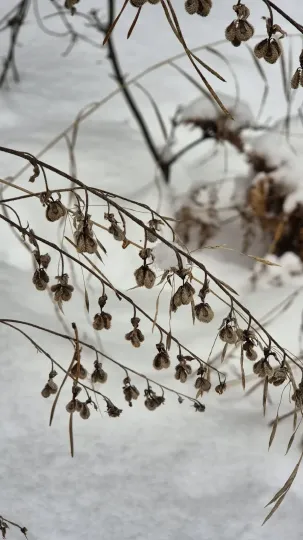
Description
Sowing dates
Houndstongue (Cynoglossum officinale) is a biennial herbaceous plant belonging to the Boraginaceae family. During the first year, it develops a large basal rosette of leaves, while in the second year, it produces a flowering stem.
Seeds are typically sown in late autumn to allow for natural stratification, which is essential for successful germination in spring. Direct spring sowing is possible if seeds have been properly pre-chilled or stratified.
Seeds should be planted at a depth of 1–2 cm, with rows spaced 45–60 cm apart. Adequate spacing is crucial to prevent overcrowding and ensure each plant has enough nutrients and access to sunlight.
Seedlings emerge relatively quickly under optimal moisture conditions. Regular weeding in the early stages of development is mandatory to prevent competition from more aggressive weeds.
The plant is highly adaptable and shows good winter hardiness, making it a viable crop for various temperate climate zones across the globe.
Growing requirements
Houndstongue thrives in sunny locations with light, well-draining soils. Loamy or sandy soils with a neutral to slightly alkaline pH are considered ideal for optimal growth.
Waterlogged soil must be avoided at all costs, as the deep taproot is highly susceptible to rot in stagnant moisture. Proper soil drainage is the most critical factor in site selection.
Once established, the plant is quite drought-tolerant. However, supplemental watering during the first growing season is recommended to promote deep root development and robust foliage growth.
Soil preparation should involve deep tillage and the incorporation of balanced fertilizers. High levels of phosphorus are particularly beneficial for root development, which is the primary harvested part.
The plant grows best in moderate temperatures, but its natural resilience allows it to withstand fluctuations in temperature and local environmental conditions.
Yield
The economic value of Houndstongue is derived from its roots, which are rich in bioactive compounds, tannins, and alkaloids used in medicinal applications.
Optimal yield is achieved during the second year of growth. Harvesting should be timed to maximize root mass before the plant enters its final senescence stage.
Crop productivity is heavily dependent on the quality of soil preparation and the management of plant population density. Proper field maintenance ensures high-quality raw material.
The plant is highly prolific in seed production, which simplifies the process of crop expansion and ensures high-quality propagation material for subsequent seasons.
Post-harvest processing requires efficient drying techniques to preserve the integrity of the chemical compounds within the roots, ensuring the marketability of the final product.
Main diseases and pests
Houndstongue is generally resistant to many common pests and diseases due to its chemical composition, which acts as a natural deterrent. However, high humidity can lead to mildew issues.
Root rot is the most significant threat to the crop, especially in heavy or compacted soils. Implementing good cultural practices is the best prevention against these soil-borne pathogens.
While insect damage is minimal, occasional outbreaks of aphids may occur during prolonged dry spells. Integrated pest management should be used to monitor and address such issues.
Crop rotation is strongly recommended to maintain soil health and reduce the risk of pathogen buildup in the field. Avoid following other members of the Boraginaceae family.
General cleanliness of the field and regular mechanical aeration of the soil surface are key strategies to minimize plant stress and susceptibility to environmental threats.
Harvesting
Harvesting usually takes place in the autumn of the second year. At this point, the plant has finished its cycle and the root has reached its maximum nutritional and chemical density.
The roots are harvested using specialized machinery or manual digging, taking care to keep the taproot intact to ensure the highest market value for the raw herbal material.
Once harvested, roots must be washed immediately to remove soil and debris. This process should be completed rapidly to avoid excessive water uptake or degradation of the plant material.
Drying is performed in controlled environments, preferably in ventilated sheds or specialized dryers at temperatures not exceeding 45 degrees Celsius to prevent the loss of active ingredients.
Final storage must be in a cool, dark, and dry location. Protecting the dried material from moisture and pests is essential to maintain its medicinal properties over an extended period.