
Cymbopogon tortilis
Cymbopogon tortilis
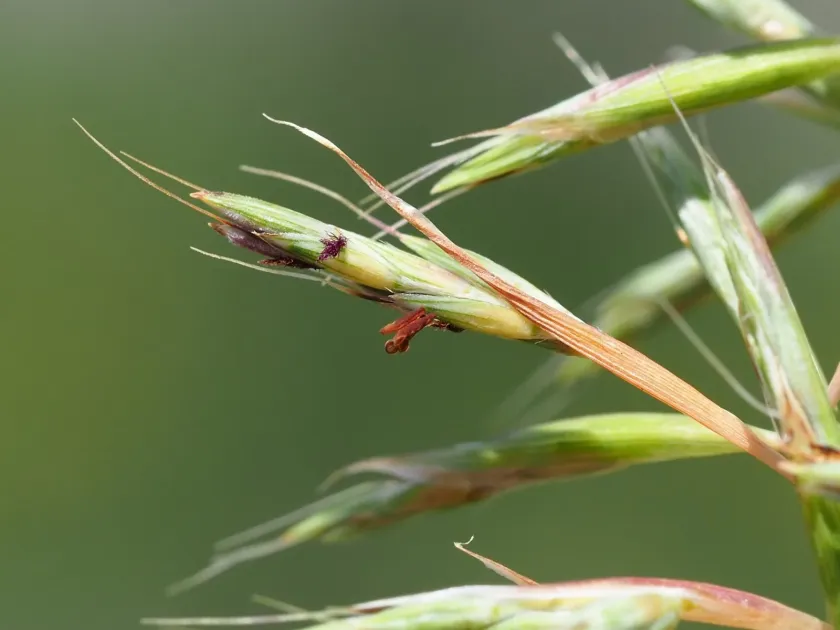
Description
Sowing dates
Cymbopogon tortilis is a perennial grass species belonging to the Poaceae family. In agricultural practices, it is typically propagated via seeds sown directly into warm, well-prepared soil after all risks of frost have passed to ensure healthy development.
Sowing depth should be kept shallow, typically around 1 to 2 centimeters, as the small seeds require warmth and consistent moisture to germinate successfully. Soil preparation must involve thorough weeding to eliminate competition during the fragile seedling phase.
When using the transplanting method, seeds are started in nurseries under controlled conditions about four to six weeks before the planned field planting. This technique ensures a more uniform stand and allows for better field establishment in varying climates.
Row spacing is generally maintained at 50 to 60 centimeters to facilitate mechanical cultivation and weed control. Keeping the fields free of competing vegetation is vital during the first year to allow the root system to become established properly.
The crop responds well to organic enrichment of the soil before planting. Ensuring good drainage is essential, as the young plants are susceptible to rotting if the soil becomes waterlogged during the early stages of growth.
Growing requirements
This species thrives in tropical and subtropical regions, requiring high temperatures and abundant sunlight to accumulate essential oils in its leaf tissues. It is a heliophilic plant that performs best in full sun exposure.
Soil requirements for Cymbopogon tortilis include well-draining, light-textured soils such as sandy loams. Heavy clay soils that retain excess water should be avoided or amended with sand to prevent root health issues during the peak growing season.
While known for its drought resistance, irrigation is highly recommended for commercial production. Consistent moisture levels during the active growth period significantly increase the total biomass yield and the quality of the essential oil extracted.
Fertilization with a balanced NPK ratio is beneficial. Nitrogen encourages the rapid production of leaves, while potassium and phosphorus help in overall plant vigor and root development, which is crucial for perennial survival in warmer climates.
The plant is sensitive to freezing temperatures and will not survive frost. In regions with cooler winters, it is often grown as an annual, or the root crowns must be protected to prevent freezing, which would lead to the loss of the entire stand.
Main diseases and pests
The crop is generally hardy, but it can be affected by fungal leaf spot diseases if the humidity levels remain consistently too high. Proper airflow within the plantation is the best defense against these types of pathogens.
Root rot is the most common threat, usually caused by poor soil drainage or excessive irrigation in areas where water pools around the base of the plant. Maintaining the soil structure is essential to mitigate this risk.
Pests such as grasshoppers and certain types of caterpillars may feed on the foliage. While these are usually minor, they can cause significant damage in dense plantations if populations are not monitored and managed through integrated pest control.
Nematodes can sometimes impact the root systems of the grass, particularly in older fields. Implementing crop rotation cycles helps reduce the pressure from soil-borne pests that accumulate over several years of continuous cultivation.
Weed infestation remains the most consistent threat to yield. If weeds are not controlled, they outcompete the Cymbopogon for nutrients and sunlight, significantly reducing the volatile oil concentration in the harvestable biomass.
Harvesting
Harvesting is ideally timed to coincide with the pre-flowering or early flowering stage. This is when the concentration of essential oils is at its physiological peak, ensuring maximum economic returns for the grower.
Mechanical harvesting involves cutting the grass at a height of 10 to 15 centimeters above the ground. This specific height is crucial for preserving the tiller buds, which allow the plant to regenerate rapidly for a second or third harvest.
Post-harvest handling is critical; the biomass must be transported quickly to the distillation facility. Drying in direct sunlight for too long can lead to the evaporation of volatile aromatic compounds, thereby decreasing the value of the final oil.
The primary industrial use of Cymbopogon tortilis is the extraction of essential oils for the fragrance, flavoring, and cosmetic industries. Distillation methods are standardized to maintain the specific aromatic profile of the species.
Beyond oil extraction, the grass is sometimes used for traditional medicinal purposes or as a botanical insect repellent. Its versatility makes it a valuable niche crop for sustainable agricultural businesses looking to diversify their output.