
Cymbopogon schoenanthus
Cymbopogon schoenanthus
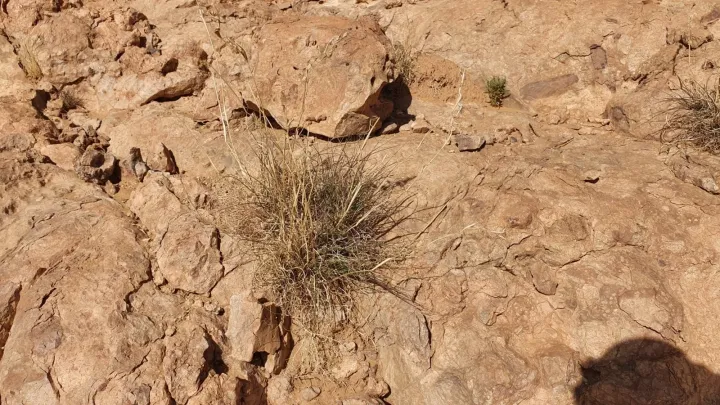
Description
Growing requirements
Cymbopogon schoenanthus, commonly known as camel grass, is a perennial plant belonging to the Poaceae family. It is renowned for its high essential oil content, which is used extensively in the production of cosmetics, fragrances, and traditional medicines.
Native to arid regions including North Africa and the Arabian Peninsula, this plant has evolved to withstand high solar radiation and extreme heat. It is a heliophilous species that requires full sun exposure to produce high-quality oils.
The crop thrives in well-drained, sandy or gravelly soils. It is highly drought-tolerant, which makes it suitable for semi-arid agriculture, provided that moisture management is controlled during the initial stages of establishment.
Agronomic requirements include a consistent temperature regime between 25 and 35 degrees Celsius. Protection from frost is mandatory, as the plant is extremely sensitive to low temperatures and will perish if exposed to freezing conditions.
Field management requires careful weeding during the early vegetative phase. Once established, the grass forms dense tufts that can suppress minor weeds, though mechanized weeding remains common in commercial production settings.
Yield
The yield of Cymbopogon schoenanthus is primarily determined by the biomass density per hectare and the concentration of essential oils within the leaves, which varies depending on the harvest time.
Harvesting usually occurs before the flowering stage to ensure the highest quality of the volatile oils, as the chemical composition changes significantly once the plant enters the reproductive phase.
Sustainable yield practices involve multi-cut management, where the grass is harvested several times during the growing season, allowing for regrowth from the established root stocks in favorable conditions.
Post-harvest processing involves immediate steam distillation or drying under shade to prevent the evaporation of volatile components, ensuring the highest commercial value of the final extract.
Agricultural data suggests that yield stability is highly dependent on nitrogen supplementation in the early stages, followed by irrigation management to optimize the leaf-to-stem ratio for harvesting.
Main diseases and pests
Root rot is the primary threat to Cymbopogon schoenanthus, triggered by waterlogging or poor drainage. Excess humidity in the soil environment promotes fungal growth that destroys the root system.
Pests such as grasshoppers and certain types of mites may cause damage to the leaf blades, which affects the surface area available for photosynthesis and reduces overall biomass production.
Fungal leaf spot diseases can emerge if planting densities are too high, preventing proper air circulation and creating microclimates with excessive humidity near the soil surface.
Weed infestation during the critical seedling stage is a significant risk, as the grass grows slowly at first and can easily be overwhelmed by fast-growing competitive species in the field.
Preventive strategies include proper field preparation with deep tillage to improve drainage and the application of integrated pest management protocols to monitor for early signs of disease.