
Cymbopogon gidarba
Cymbopogon gidarba
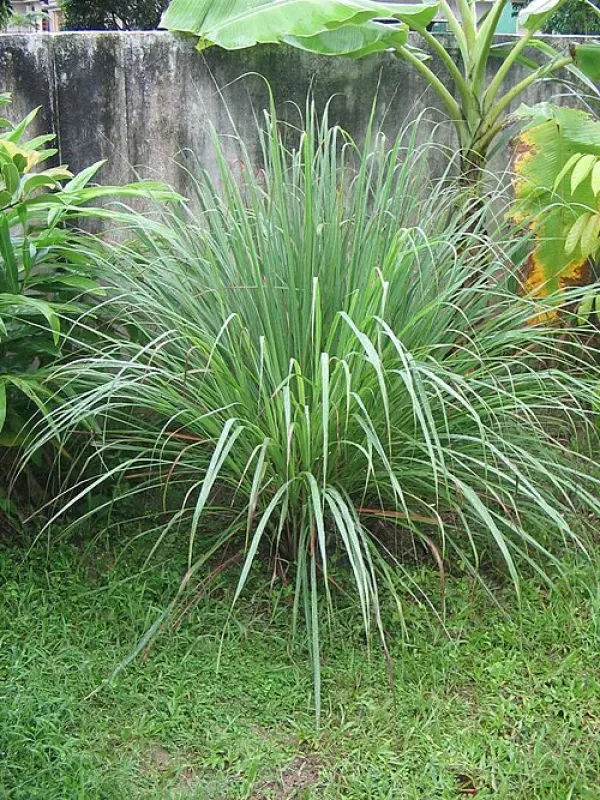
Description
Sowing dates
Cymbopogon gidarba is a robust perennial grass species belonging to the Poaceae family. Propagation is typically achieved through seeds or crown division, with the latter being highly effective for establishing uniform and healthy stands in the early spring season.
Sowing should be performed in well-prepared, friable soil to encourage rapid root development. Maintaining an ambient soil temperature between +20°C and +25°C is essential for optimal seed germination, ensuring a vigorous start for the emerging seedlings.
The planting density is generally adjusted based on the intended use of the crop, whether for biomass production or oil extraction. Maintaining proper row spacing allows for better aeration and provides enough space for the plants to reach their full physiological potential.
In industrial settings, transplanting healthy seedlings into the field is preferred over direct seeding. This method ensures high establishment rates and allows for a more controlled environment during the initial growth phases of the crop.
Crop rotation management is vital for the health of Cymbopogon gidarba. Planting after leguminous crops helps improve soil nitrogen levels naturally, which creates a more favorable nutrient profile for this specific species of grass.
Growing requirements
Cymbopogon gidarba thrives best in regions with plenty of sunshine. It is a highly heliotropic species, and consistent exposure to solar radiation is the primary factor driving the synthesis of essential oils and the accumulation of biomass.
Well-drained, fertile soil is a strict requirement for successful cultivation. The species is highly susceptible to root damage caused by waterlogging, so choosing an elevated or well-sloped site with sandy loam soil is strongly recommended.
The plant demonstrates a strong preference for warm climates. While it can withstand occasional dry spells, prolonged cold or frost periods will significantly hinder growth, requiring protective measures if the crop is grown in temperate zones.
Adequate irrigation must be managed carefully, especially during the peak growth season. While the plant shows some drought tolerance, providing supplemental water during critical vegetative stages ensures consistent productivity and higher quality of the harvested essential oils.
Nutrient management focuses on balanced NPK applications to support leaf development. However, excessive nitrogen should be avoided to prevent thin cell walls, which may make the plants more susceptible to lodging and secondary infections.
Main diseases and pests
Common agricultural pests, including aphids and various grass-feeding larvae, pose a constant threat to the leaf foliage. Integrated pest management (IPM) practices, such as the release of beneficial insects, are encouraged to protect the quality of the harvested crop.
Fungal diseases, particularly leaf rust and mildew, are frequently observed when humidity levels remain high for extended periods. Promoting airflow through appropriate planting spacing and timely weed management is the most effective preventative measure.
Root rot caused by poor soil drainage can severely impact stand longevity. It is crucial to monitor soil moisture levels closely, especially after heavy rainfall, to prevent the onset of anaerobic conditions that favor root pathogens.
Weed competition is a significant factor in the early stages of establishment. Regular mechanical cultivation between rows effectively manages weed populations without the need for excessive chemical intervention, preserving soil health.
Regular field scouting is essential to monitor for any signs of nutritional stress or disease outbreaks. Early detection allows for localized treatments, significantly reducing the economic and environmental impact of potential field losses.